
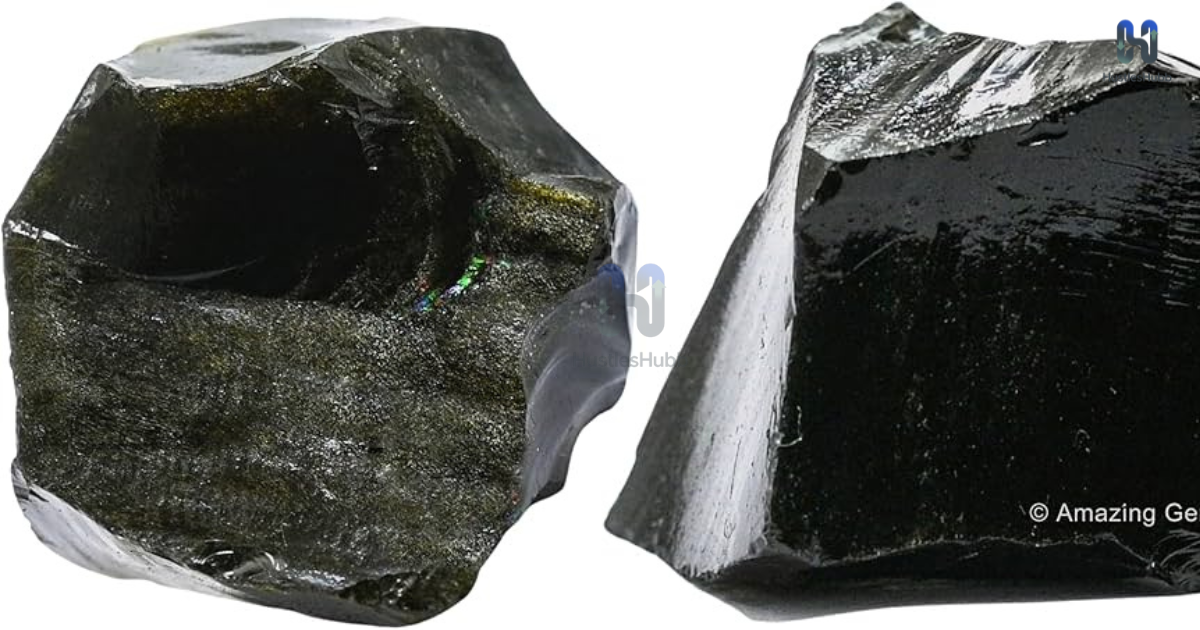
Obsidian worth ranges from pennies to $500+. Discover 9 facts about black, rainbow, and fire obsidian value in today’s gemstone market.
You’ve seen black obsidian in crystal shops and wondered about its actual value. The truth about obsidian market value surprises most people—it ranges from literal pennies to hundreds of dollars per piece. Understanding what makes some obsidian valuable while other pieces sell for pocket change requires knowing the gemstone market dynamics. Rare obsidian types like fire obsidian command premium prices that shock beginners.
Meanwhile, common varieties flood stores at bargain rates. This guide reveals nine powerful facts about obsidian gemstone value that help you distinguish worthless chunks from genuinely valuable specimens. Whether you’re buying, selling, or simply curious, knowing how professionals assess obsidian worth prevents costly mistakes and reveals surprising opportunities in this fascinating volcanic glass market.
Obsidian Worth Basics: What Is Obsidian and Why Is It Valuable
The obsidian gemstone value comes from multiple factors beyond mere appearance. Stone collectors appreciate rare varieties like fire obsidian and rainbow obsidian. Crafters use obsidian for obsidian jewelry, obsidian sculptures, and decorative items. The volcanic glass gemstone appeals to those seeking affordable semi-precious stones with unique characteristics. Even modern medicine uses obsidian blade surgical applications because this volcanic glass gemstone can be sharper than steel scalpels.
What Is Obsidian? The Volcanic Glass Explained
Obsidian isn’t technically a mineral despite appearing in rock collections everywhere. The volcanic lava origin creates glass rather than a crystalline structure. When molten lava cools extremely fast, molecules don’t organize into crystal patterns. This natural volcanic glass has fascinated humans for millennia. Ancient civilizations crafted the sharpest obsidian tools and weapons available before metal technology. Today’s gemstone market recognizes obsidian as a semi-precious stone worthy of attention.
Obsidian vs Precious Gemstones: Understanding the Difference
Obsidian occupies a different market tier than diamonds or rubies. The gemstone market classifies obsidian as semi-precious at best. Abundant supply and demand dynamics keep most obsidian stone price levels modest. However, rare obsidian types can command premium pricing. The obsidian collectors value certain specimens at hundreds of dollars. Understanding where obsidian fits in the broader gemstone market helps set realistic value expectations.
| Category | Examples | Typical Price Range | Market Position |
| Precious | Diamond, ruby, sapphire | $1,000-$10,000+ per carat | Luxury investment |
| Semi-precious (high) | Jade, opal, tourmaline | $50-$500 per carat | Premium collectible |
| Semi-precious (mid) | Obsidian (rare types) | $5-$100 per specimen | Specialty market |
| Semi-precious (low) | Common obsidian, agate | $0.05-$5 per gram | Mass affordable |
How Obsidian’s Worth Is Determined in the Gemstone Market
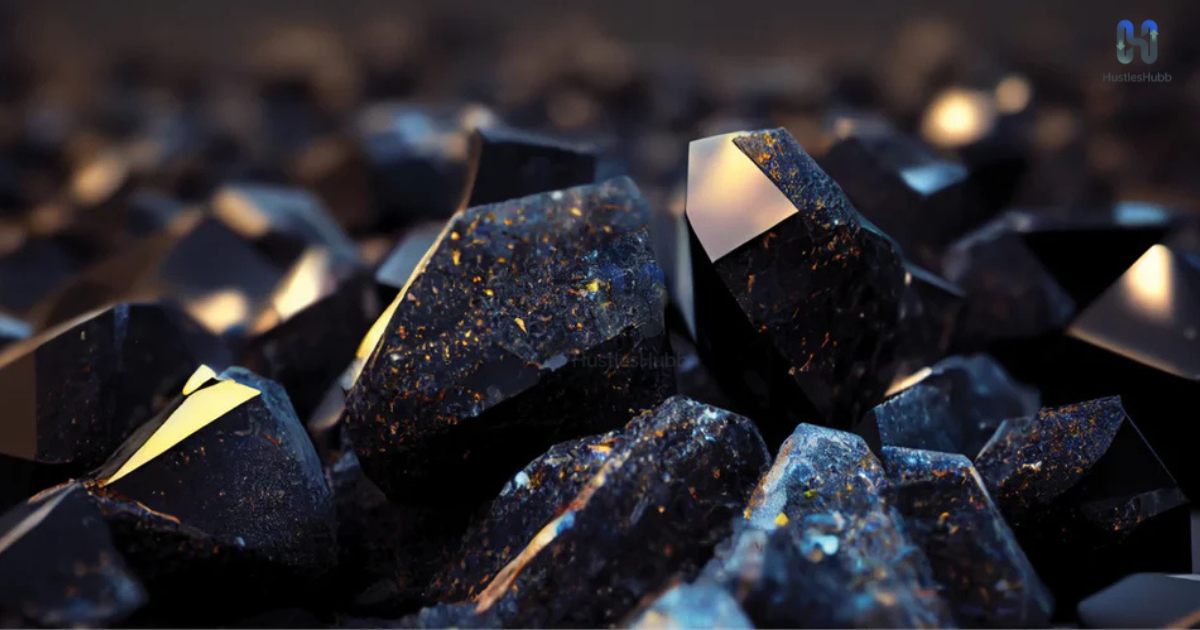
The obsidian rarity and quality assessment process determines final pricing. The gemstone market evaluates type first—fire obsidian automatically commands a higher obsidian market value than common black obsidian. Size matters significantly for display specimens. Pattern intensity affects rainbow obsidian value dramatically. Clarity, origin, and overall aesthetic appeal all contribute to final obsidian stone price calculations.
Primary Factors Affecting Obsidian Valuation
Type dominates obsidian gemstone value calculations above all else. Fire obsidian from Oregon fetches premium fire obsidian price levels. Rainbow obsidian with intense color play commands a higher rainbow obsidian value. Common black obsidian remains inexpensive regardless of size. The obsidian market value adjusts based on variety, then considers secondary factors like quality and craftsmanship. Rare obsidian types, including green obsidian and blue obsidian, occupy specialty niches.
Market Dynamics That Influence Obsidian Prices
The supply and demand equation drives obsidian market value fluctuations. Social media trends boost certain varieties temporarily. The popularity has increased the overall obsidian gemstone value over recent years. Geographic availability affects raw obsidian value—pieces from famous locations command premiums. Economic conditions influence discretionary spending on collectibles like obsidian. Understanding these broader market forces helps predict future obsidian worth trends.
Obsidian Worth Per Gram: How Much Is Raw Obsidian Worth
The obsidian price per gram for raw material starts incredibly low. Common black obsidian sells for $0.05 to $0.20 per gram in rough form. That translates to roughly $20-$90 per pound for unprocessed natural volcanic glass. The raw obsidian value increases with rarity—rainbow obsidian might fetch $0.50-$2.00 per gram raw. These baseline prices establish the foundation for all downstream obsidian market value calculations.
Raw Obsidian Pricing: The Baseline Values
Unprocessed obsidian fresh from collection sites offers the lowest raw obsidian value. Collectors visiting volcanic regions can find black obsidian for free or pennies per pound. Commercial suppliers sell raw obsidian by weight with modest markups. The obsidian price per gram jumps when the material enters retail channels. Obsidian, marketed as metaphysical healing stones, carries higher markups than material sold for crafting obsidian tools or obsidian jewelry components.
Comparing Raw vs Processed Obsidian Worth
Processing dramatically increases obsidian gemstone value beyond raw obsidian value levels. Tumbling adds 200-300% markup to the base obsidian price per gram. Cabochon cutting for obsidian jewelry increases costs by 300-500%. Obsidian sculptures and artistic carvings command exponentially higher obsidian market value based on artistry. A raw obsidian piece worth $5 might become a $50 jewelry component or a $200 carved sculpture. Understanding this value chain explains retail obsidian stone price levels.
| Processing Level | Price Multiplier | Example: Common Black Obsidian | Example: Rainbow Obsidian |
| Raw rough | 1x (baseline) | $0.10/gram = $1/10g piece | $1.00/gram = $10/10g piece |
| Tumbled smooth | 2-3x | $0.20-$0.30/gram = $2-$3 piece | $2-$3/gram = $20-$30 piece |
| Cabochon cut | 3-5x | $0.30-$0.50/gram = $3-$5 piece | $3-$5/gram = $30-$50 piece |
| Jewelry set | 10-20x | $1-$2/gram = $10-$20 piece | $10-$20/gram = $100-$200 piece |
Black Obsidian Worth: Price and Market Demand
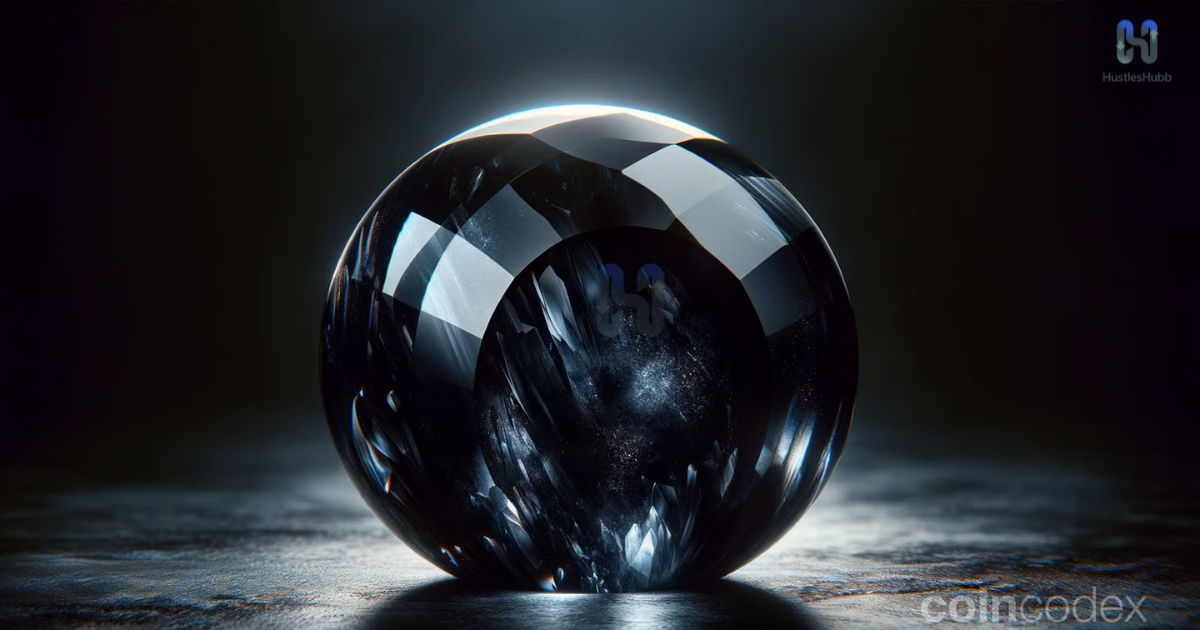
Black obsidian price remains the most affordable in the obsidian family. This common variety floods the gemstone market with an endless supply. Tumbled black obsidian pieces typically sell for $1-$10 each, depending on size. Larger display specimens might reach $20-$100 but rarely exceed that range. The black obsidian market value stays depressed due to widespread availability and lack of distinctive features compared to rare obsidian types.
Standard Black Obsidian Valuation
The obsidian stone price for standard black obsidian reflects its commonality. Small tumbled pieces (10-30 grams) sell for $1-$3 retail. Palm-sized specimens (50-100 grams) cost $3-$8 typically. Display-quality chunks exceeding 1 pound might fetch $20-$50. The obsidian price per gram decreases with volume—bulk purchasers pay pennies per gram. Black obsidian jewelry value depends entirely on the setting quality rather than the stone value.
Why Black Obsidian Remains Popular Despite Low Price
The black obsidian appeal transcends monetary obsidian worth. Crystal healing practitioners consider black obsidian essential for grounding and protection. The deep black color provides aesthetic versatility in obsidian jewelry and obsidian decorative stone applications. First-time stone collectors appreciate affordable entry points. The low black obsidian price makes it accessible for spiritual practices, crafts, and education. This broad appeal sustains market demand despite minimal obsidian gemstone value.
Rare Types and Their Obsidian Worth in Today’s Market
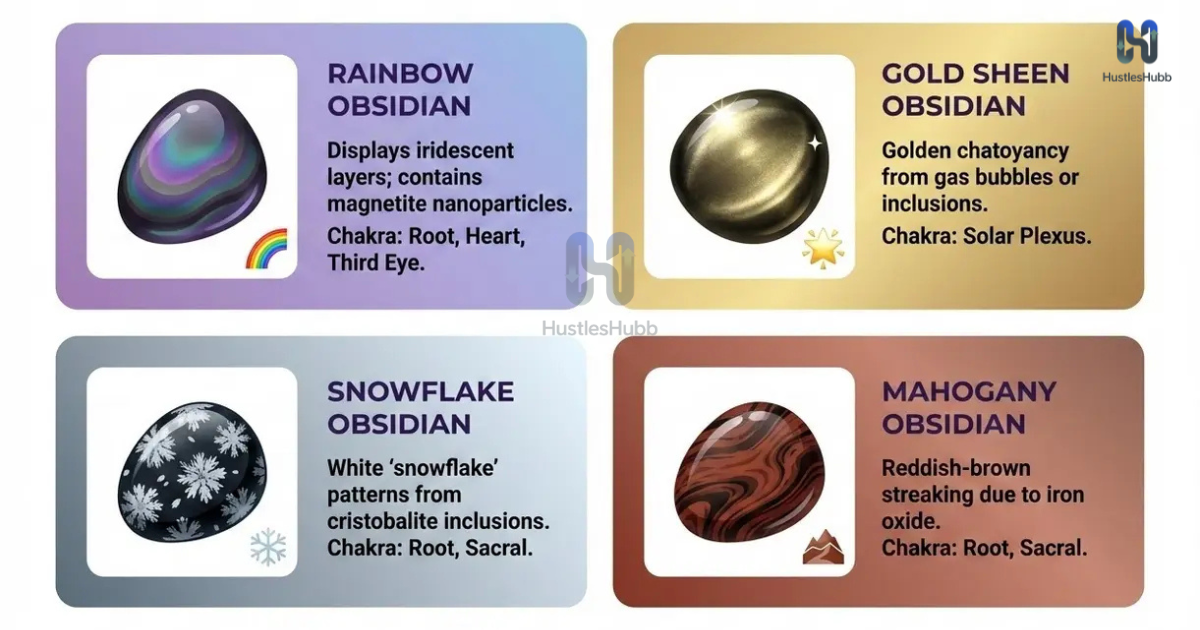
Rare obsidian types occupy an entirely different pricing tier than common black obsidian. Rainbow obsidian value reflects the mesmerizing iridescent sheen that makes each piece unique. Quality rainbow obsidian specimens sell for $10-$100, depending on size and color intensity. The rainbow obsidian gemstone value appeals to both stone collectors and jewelry designers seeking distinctive materials.
Rainbow Obsidian: The Most Valuable Common Variety
Rainbow obsidian walks the line between accessible and premium. The rainbow obsidian value stems from optical effects created by internal layering. Quality pieces display purple, gold, green, and blue iridescence. Large rainbow obsidian cabochons suitable for obsidian jewelry command $30-$150. The obsidian market value for rainbow obsidian remains steady because beauty justifies pricing, while availability prevents extreme scarcity premiums. Serious stone collectors pursue exceptional rainbow obsidian specimens.
Fire Obsidian: The Rarest and Most Expensive
Fire obsidian stands alone in obsidian worth discussing. The single Oregon source produces limited material annually. Internal layers create extraordinary color flashes rivaling precious opal. Gem cutters charge premium rates for fire obsidian work due to the difficulty. The fire obsidian price reflects genuine rarity—this isn’t marketing hype. Obsidian collectors value top fire obsidian pieces at $200-$1,000+ for significant specimens. Investment-grade fire obsidian occasionally surfaces in specialty auctions.
| Obsidian Type | Rarity Level | Raw Price/Gram | Specimen Price | Jewelry Price | Key Locations |
| Fire obsidian | Extremely rare | $10-$100+ | $100-$1,000+ | $200-$2,000+ | Oregon, USA |
| Rainbow obsidian | Uncommon | $0.50-$2.00 | $10-$100 | $25-$200 | Mexico, USA |
| Snowflake | Common | $0.15-$0.60 | $2-$30 | $15-$75 | Utah, USA |
| Gold sheen | Uncommon | $0.30-$1.20 | $15-$80 | $30-$150 | Mexico |
| Black obsidian | Very common | $0.05-$0.20 | $1-$25 | $15-$60 | Worldwide |
Obsidian Worth vs Other Volcanic Stones and Gemstones
Comparing obsidian’s worth to other volcanic materials provides perspective. Pumice and scoria (other volcanic rocks) have minimal gemstone market value—essentially worthless for jewelry. The volcanic glass gemstone category stands apart because obsidian possesses aesthetic qualities suitable for ornamentation. Other volcanic materials serve construction and landscaping purposes rather than decorative obsidian stone uses. The obsidian market value exceeds related volcanic products significantly.
Obsidian vs Pumice and Scoria: Volcanic Stone Comparison
Volcanic lava creates diverse materials beyond obsidian. Pumice forms when lava foams and solidifies into porous rock. Scoria develops from basaltic lava with gas bubbles. Neither pumice nor scoria possesses gemstone market appeal. The smooth, glassy, natural volcanic glass characteristic of obsidian creates beauty absent from other volcanic products. This explains why obsidian stone price levels exceed other volcanic lava derivatives. The molten lava cooling process matters enormously.
Obsidian vs Black Tourmaline and Onyx: Similar Appearance Comparison
Consumers frequently confuse obsidian with expensive black gemstones. Black tourmaline commands $20-$200+ per carat—roughly 100-1000x obsidian price per gram. Onyx (banded chalcedony) sells for $1-$50 per carat. Experienced stone collectors distinguish these materials easily. The obsidian glass breaks with conchoidal fractures, creating curved surfaces. Crystalline stones like tourmaline fracture differently. The dramatic price differences make identification crucial for accurate obsidian worth assessment.
Obsidian vs Quartz Family: The Most Common Comparison
Quartz varieties (amethyst, citrine, rose quartz) occupy similar market segments as obsidian. Common quartz sells comparably to black obsidian—affordable and accessible. However, premium quartz, like high-grade amethyst, exceeds any obsidian gemstone value except perhaps fire obsidian. The crystalline structure of quartz creates properties that obsidian cannot match. Both materials serve entry-level stone collectors while offering premium varieties for serious enthusiasts. The gemstone market treats them as complementary rather than competing.
Factors That Increase Obsidian Worth for Collectors and Jewelers
Several characteristics dramatically boost obsidian collectors’ value beyond baseline pricing. Exceptional color play and sheen intensity multiply the rainbow obsidian value substantially. Large specimens without flaws command a premium in the obsidian market value. Historical or archaeological significance transforms common obsidian into valuable artifacts. Provenance from famous locations adds obsidian worth. These quality factors separate ordinary pieces from collectible specimens.
Artistic and Craftsmanship Value Addition
Traditional obsidian working techniques create premium obsidian jewelry value. Ancient civilizations crafted intricate obsidian tools, obsidian beads, and ceremonial objects. Modern artisans replicate these methods, producing obsidian artifacts with cultural significance. Obsidian sculptures by recognized artists command prices based on reputation rather than material cost. The transformation from raw volcanic glass gemstone to finished art piece multiplies the obsidian market value exponentially. Obsidian pendants and obsidian beads in designer jewelry benefit similarly.
Market Trends Driving Higher Obsidian Prices
The crystal healing trend significantly impacted the obsidian gemstone value over the past decade. Social media influencers showcase obsidian properties, driving demand. The supply and demand dynamics shifted toward sellers as metaphysical interest grew. Sustainable and natural material preference benefits natural volcanic glass like obsidian. Handmade artisan markets expanded opportunities for obsidian jewelry creators. These trends support steady or increasing obsidian worth across most varieties despite abundant supply.
Common Uses That Influence Obsidian Worth Today
Diverse obsidian stone uses sustain market demand and obsidian market value. Metaphysical and spiritual applications drive significant volume. Crystal healing practitioners stock obsidian for protection, grounding, and energy work. This belief-based demand creates a pricing floor for black obsidian and a premium for rare obsidian types. The obsidian gemstone value benefits from spiritual community purchasing power regardless of geological abundance.
Jewelry and Fashion Industry Use
Obsidian jewelry appeals through affordability and appearance. Sleek black obsidian provides elegant simplicity. Rainbow obsidian adds color interest without precious stone costs. The obsidian jewelry value remains accessible for most consumers. Designers create everything from obsidian pendants to elaborate obsidian bead necklaces. Fashion trends periodically boost obsidian’s popularity. The volcanic glass gemstone’s versatility suits diverse style preferences from minimal to ornate.
Decorative and Collector Applications
Stone collectors pursue obsidian for display and educational purposes. Geology enthusiasts appreciate obsidian as a classic volcanic lava product. Interior designers incorporate obsidian decorative stone pieces into spaces. The obsidian collectors’ value for display specimens depends on size, aesthetics, and rarity. Large obsidian chunks create focal points in collections. Rare obsidian types become conversation pieces. This decorative market sustains demand beyond jewelry and metaphysical applications.
Industrial and Specialized Uses
Modern medicine discovered the surgical applications. Surgical scalpels made from obsidian achieve a sharpness impossible with steel. The natural volcanic glass molecular structure creates edges finer than metal blades. While niche, this specialized obsidian stone’s application adds legitimacy beyond ornamental value. Scientific research, archaeological tool replication, and specialty cutting applications contribute to the obsidian market value. These uses demonstrate that obsidian possesses practical utility beyond aesthetics.
Where Obsidian Worth Is Highest Around the World
The United States gemstone market offers premium obsidian worth compared to source regions. California metaphysical shops charge substantial markups on obsidian. Oregon fire obsidian commands the highest prices near its exclusive source. Tourist areas inflate obsidian stone price significantly. Online marketplaces show more competitive pricing, but shipping costs impact small purchases. Geographic location dramatically affects the obsidian market value you’ll encounter.
United States: Premium Markets and High Demand
The United States gemstone market supports robust obsidian pricing through strong consumer demand. California and Oregon collectors pay a premium for obsidian worth for local varieties. Metaphysical shops in urban areas charge the highest retail markups. The obsidian jewelry value reaches peak levels in boutique stores catering to affluent customers. However, online shopping enables price comparison that moderates extreme markups. Smart buyers research the obsidian price per kilogram baseline costs before retail purchases.
Mexico: Source vs Market Price Dynamics
Mexico’s prolific obsidian production creates interesting pricing dynamics. Near mining areas, raw obsidian value stays minimal—locals sell pieces cheaply. Tourist zones mark up obsidian dramatically, exploiting visitor ignorance. Quality rainbow obsidian and other rare obsidian types command fair prices in legitimate artisan markets. Export restrictions on archaeological obsidian protect cultural heritage. Understanding these regional variations helps buyers find fair obsidian stone price levels.
| Region | Typical Markup vs Source | Primary Price Driver | Best Purchase Strategy |
| Source areas (Mexico, US West) | Baseline (1x) | Direct availability | Local rockhound clubs |
| US coastal cities | 200-400% | Boutique retail + shipping | Online comparison shopping |
| European markets | 300-500% | Import + luxury positioning | Specialty gem shows |
| Asian urban markets | 250-450% | Growing demand | Wholesale importers |
| Tourist destinations | 400-600% | Captive audience markup | Avoid, shop elsewhere |
Future Trends That Could Change Obsidian’s Worth
The expanding metaphysical market could increase obsidian’s worth substantially. Mainstream wellness industry integration brings obsidian to broader audiences. Younger generations embrace crystal healing more than their predecessors. Social media amplifies obsidian trends rapidly. These factors suggest a rising obsidian market value for the coming years. However, abundant supply and demand fundamentals limit extreme price increases for common types.
Sustainability and Ethical Sourcing Concerns
Environmental awareness affects all gemstone market segments, including obsidian. Responsible volcanic lava collection practices become selling points. Source depletion remains unlikely for obsidian given volcanic abundance. However, popular collection sites face pressure from over-harvesting. Regulation might limit access, creating artificial scarcity. The obsidian worth calculation could incorporate ethical sourcing premiums. Premium obsidian with documented sustainable collection might command higher obsidian stone price levels.
Technological Applications and Innovation
Medical obsidian blade surgical use applications might expand. Nanotechnology research explores volcanic glass gemstone properties. Advanced material science could discover industrial obsidian applications. 3D printing with obsidian powder represents potential innovation. New cutting technologies might unlock obsidian jewelry design possibilities. These technological developments could shift the obsidian market value beyond traditional decorative uses. Industrial demand would fundamentally change supply and demand dynamics.
FAQs
How much is obsidian worth per gram?
Common black: $0.05-$0.20 per gram raw
What is the most valuable type of obsidian?
Fire obsidian from Oregon, $50-$500+ per carat
Is obsidian worth money?
Modest value, affordable gemstone, not precious
How can I tell if my obsidian is valuable?
Type, size, patterns, clarity assessment
Where can I sell obsidian?
Online marketplaces, gem shows, and local shops
Read Also: Bloomfield Synagogue Attack 2026: 10 Things to Know About Temple Israel

Welcome to Hustles Hubb! I’m Shafqat Amjad, an AI-Powered SEO and Content writer with 4 years of experience.
I help websites rank higher, grow traffic, and look amazing. My goal is to make SEO and web design simple and effective for everyone.
Let’s achieve more together!