
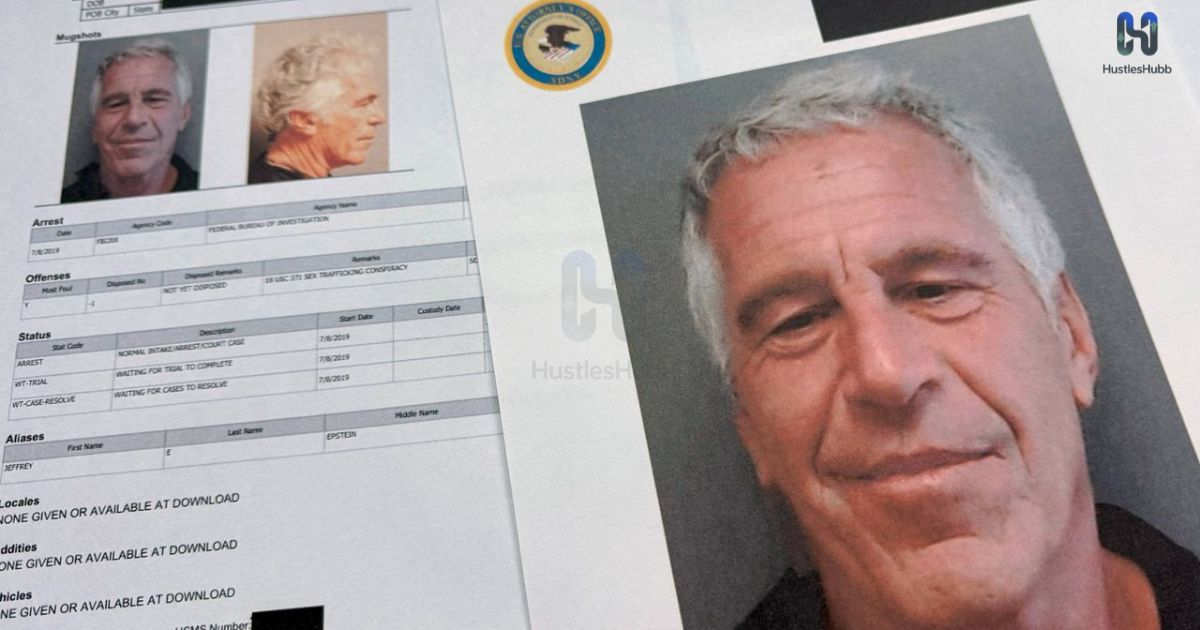
“Epstein files released reveal names, emails, DOJ records, and key allegations, exposing elite links and major questions for the public”.
The Epstein files released by the US government have reignited national debate around power, secrecy, and accountability. These newly published records offer rare insight into the world surrounding Jeffrey Epstein, including his legal battles, elite connections, and time in custody. For many readers, the release feels overdue. It follows years of public pressure, lawsuits, and the passing of the Epstein Files Transparency Act.
The documents, shared by the US Department of Justice Epstein files review team, include emails, prison records, and investigative material. While not every mention signals wrongdoing, the scale of the Jeffrey Epstein documents has raised serious questions. As millions review the data, understanding context is now more important than ever.
Epstein Files Released – What Are These Documents and Why Do They Matter Now

The Epstein files released are official federal records tied to the Epstein sex trafficking case. They include emails, prison notes, court filings, photos, and investigative summaries. These records come from the US Department of Justice Epstein files review process, which began after Congress passed the Epstein Files Transparency Act. The goal was simple. Increase transparency. Restore public trust. Share the truth.
What makes this release important now is timing. The Epstein DOJ deadline was missed, raising public anger. When the files finally appeared, officials said the review process was complete. Deputy Attorney General Todd Blanche stated that the release aimed to ensure openness. Critics disagree. They say transparency arrived late and imperfectly. Still, the Epstein government records 공개 mark a turning point in how elite-linked cases are handled.
How Many Pages Were in the Epstein Files Released by the Justice Department?
The scale of the Epstein files released shocked many observers. The DOJ published roughly three million pages of text, over 180,000 images, and about 2,000 videos. This volume makes it the largest Epstein document dump ever shared. These Epstein legal records span decades and cover financial dealings, prison life, and communications.
The size matters because large data sets reveal patterns. The Epstein prison records include logs, visitor notes, and the Epstein prison psychological report. They also include material tied to the Ghislaine Maxwell investigation. However, many pages contain redactions. Officials say redactions protect victims. Critics say some Epstein victims’ identities were still exposed. That tension fuels the Epstein document release controversy.
Epstein Files Released Reveal Links to Powerful and Influential Figures
One reason the Epstein files released dominate headlines is their exposure of Epstein’s high-profile connections. The documents show how Jeffrey Epstein moved within elite circles. Emails and schedules suggest regular contact with politicians, royalty, and business leaders. This fuels claims of Epstein’s elite connections exposed.
The files include Epstein’s associates’ emails and social messages. These records do not always show crimes. They show access. They show proximity. That distinction matters. Legal experts stress that being named does not equal guilt. Still, the sheer number of powerful names explains why public interest remains intense.
Which High-Profile Names Appear in the Epstein Files Released?

The Epstein files released reference many well-known figures. Some appear in passing. Others appear in direct correspondence. The documents include mentions of Donald Trump, Elon Musk, and Bill Gates. They also reference international figures like the Duke of York (Prince Andrew) and Lord Peter Mandelson.
Emails signed by or linked to Sarah Ferguson appear, as do records showing money transfers involving Reinaldo Avila da Silva. The files also include internal FBI material from the FBI Threat Operations Center. Importantly, many mentions come without allegations. Context matters. The DOJ has stressed that many claims are unverified. This nuance is often lost in viral summaries of the Epstein files controversy.
Epstein Files Released and Allegations Involving Political Leaders
Political implications dominate the discussion of the Epstein files released. The documents mention Donald Trump hundreds of times. Most references come from tips, emails, or third-party claims. The DOJ states clearly that many allegations are false or unsupported. Officials warned against treating raw data as proof.
International politics also surface. Emails linked to the Duke of York (Prince Andrew) describe private meetings and introductions. These records connect to long-standing scrutiny. Meanwhile, Lord Peter Mandelson appears in correspondence during Epstein’s prison period. These examples show how the Epstein files released intersect with diplomacy, power, and reputation.
Epstein Files Released Show Details of Relationships and Financial Transfers
Financial records form a critical part of the Epstein files released. Emails show Epstein sending money to associates and friends. One notable case involves payments to Reinaldo Avila da Silva, connected to Lord Peter Mandelson. These transactions raise questions about influence and support.
The documents also reveal how Epstein used money to maintain relationships. Investigators often track such transfers to identify coercion or facilitation. In this case, the files show patterns but not always conclusions. This gray area explains why the Epstein document release controversy continues to grow.
What the Epstein Files Released Say About Victims and Survivors
The most sensitive part of the Epstein files released concerns victims. The records include testimony summaries, photos, and references to survivors. Some Epstein victims’ identities appear with partial redactions. This triggered outrage. Prominent attorney Gloria Allred criticized the DOJ sharply.
She argued that exposing names harms survivors again. According to her, transparency should never come at the cost of safety. The DOJ responded by saying hundreds of staff worked to protect identities. Even so, this debate shows the human cost behind the Epstein sex trafficking case and the Epstein death in jail aftermath.
Are These the Final Epstein Files Released, or Could More Come Out?
Officials claim the Epstein files released mark the end of the review process. Todd Blanche described it as comprehensive. Yet lawmakers remain skeptical. Some argue millions of pages are still withheld. This dispute centers on the Epstein Files Transparency Act and its enforcement.
If more files exist, future releases may follow. Congressional oversight could force further disclosures. For now, uncertainty remains. This uncertainty feeds public distrust and conspiracy theories surrounding Epstein’s island and elite protection.
Why Some Epstein Files May Still Remain Sealed
Some Epstein legal records may stay sealed due to ongoing investigations. Others involve privacy laws or national security. Courts often balance transparency against harm. In cases involving Epstein’s underage trafficking, that balance becomes even harder.
Public Reaction and Controversy After the Epstein Files Were Released
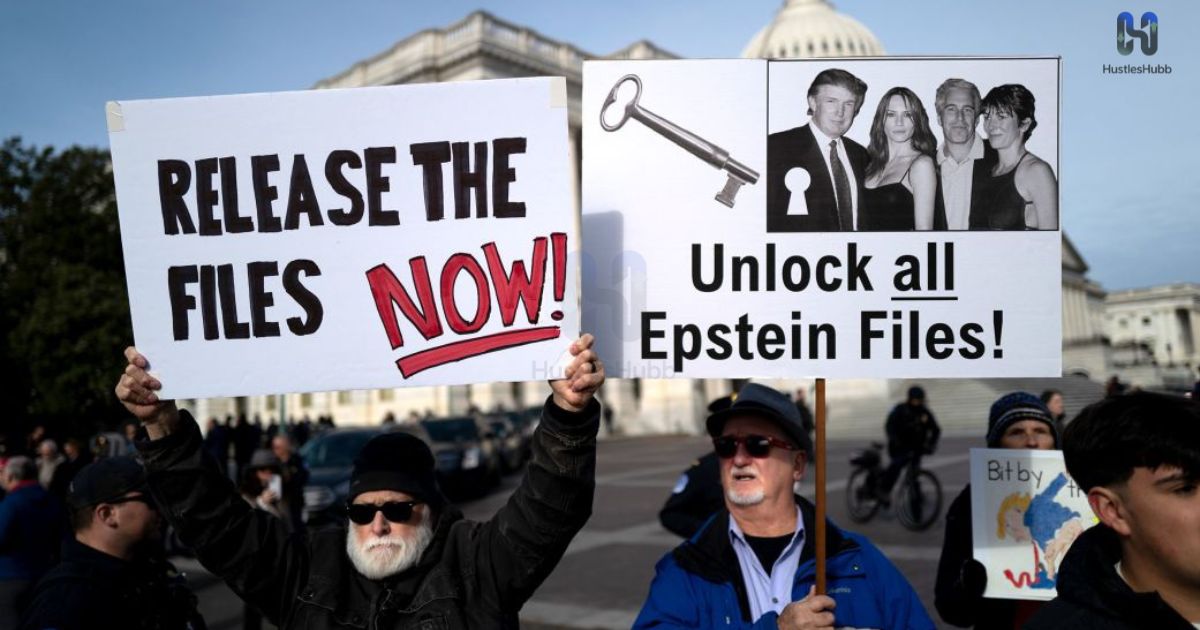
Public reaction to the Epstein files released has been intense. Social media exploded with speculation. News outlets raced to analyze names. Many readers felt overwhelmed by raw data. This reaction highlights the danger of misinterpretation.
Survivor groups expressed pain and anger. Legal experts urged caution. The phrase Epstein files controversy explained became a trending search. It reflects confusion, mistrust, and the hunger for clarity in a case that still feels unresolved.
What Happens Next After the Epstein Files are released?
The future after the Epstein files are released remains uncertain. New investigations could emerge if evidence supports them. Congress may review the DOJ handling. Public pressure may reshape transparency laws.
What is clear is impact. These Jeffrey Epstein documents changed how Americans view power and justice. From the Epstein plea deal in 2008 to the Epstein death in August 2019, the story still echoes. The release does not end the conversation. It reshapes it.
FAQs
What is the resolution to release the Epstein files?
The resolution required the U.S. government to publicly release Epstein-related records to increase transparency and public trust.
What is the Epstein Transparency Act?
The Epstein Transparency Act is a U.S. law that mandated the release of Epstein files, with redactions only to protect victims or active cases.
What did Bill Clinton write in the birthday book?
Reports say a message wishing Epstein friendship and travel memories appeared, but Clinton has denied wrongdoing and disputes the context.
What happened to Epstein’s will?
Jeffrey Epstein signed a will shortly before his death, placing his assets into a trust in the U.S. Virgin Islands.
How old was Epstein’s lawyer when he died?
There is no confirmed public record of Epstein’s lawyer dying; several of his attorneys are still alive, making this claim unclear.
Read Also: Bridgerton Season 4: Complete Release Time, Episodes

Welcome to Hustles Hubb! I’m Shafqat Amjad, an AI-Powered SEO and Content writer with 4 years of experience.
I help websites rank higher, grow traffic, and look amazing. My goal is to make SEO and web design simple and effective for everyone.
Let’s achieve more together!