

“Justice Department denaturalization push explained: U.S. citizenship revocation policy, cases, legal process, and 2026 updates”.
The justice department denaturalization push has become a major topic in U.S. immigration discussions, drawing attention from legal experts and foreign-born communities. This policy focuses on reviewing cases where citizenship may have been obtained through fraud, misrepresentation, or illegal naturalization. As enforcement increases, many naturalized citizens are closely watching how this shift may affect their long-term status in the country.
The Department of Justice argues that stronger oversight protects the integrity of U.S. immigration law and prevents abuse of citizenship benefits. However, critics warn that expanded denaturalization cases could create legal uncertainty. This evolving approach highlights the balance between national security and fairness in the modern immigration system.
Justice Department Denaturalization Push Explained
The Justice Department Denaturalization Push is a structured legal effort that focuses on reviewing past naturalization approvals. Government officials examine immigration records to identify cases involving fraud, criminal concealment, or false identity claims. This process is part of a broader legal immigration enforcement designed to maintain system integrity.
In practical terms, the process is not automatic. The government must build strong cases before moving forward in court. These cases often involve federal denaturalization lawsuits, where prosecutors argue that citizenship was obtained illegally. If proven, this can lead to revoking U.S. citizenship, which is one of the most serious actions under U.S. immigration law.
At its core, denaturalization under federal law is not new, but the current scale is different. The government uses federal court cases to challenge individuals suspected of citizenship fraud or immigration fraud. This process can lead to revoking U.S. citizenship, especially when false information on immigration applications is discovered.
Justice Department Denaturalization Push and Who Can Be Affected
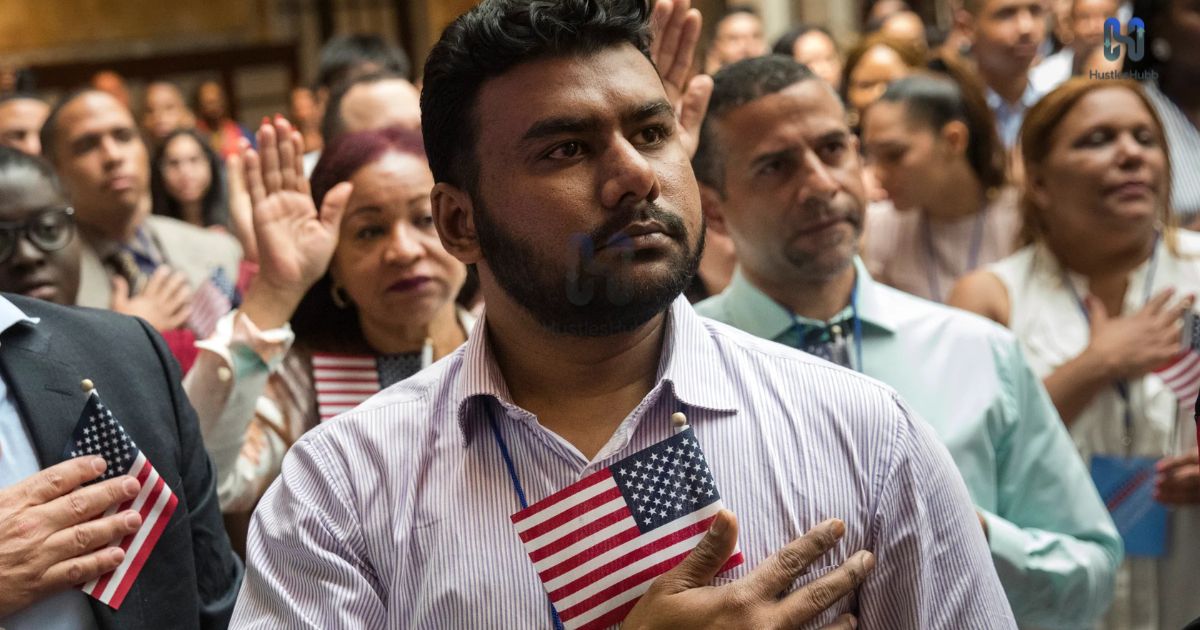
The Justice Department denaturalization push primarily affects individuals who became citizens through the naturalization process but are later found to have provided false or incomplete information. This includes cases where applicants hid criminal history, used fake identities, or committed immigration fraud during the application.
However, the scope is still limited compared to the total number of foreign-born citizens in the U.S. Only those with strong evidence of wrongdoing face action. Even then, each case must go through a strict review to ensure fairness under American citizenship laws and avoid wrongful accusations.
This policy mainly affects foreign-born citizens who obtained citizenship through the naturalization process. If investigators find evidence of fraud during the naturalization process, a person may face legal review. Even minor misrepresentations can sometimes trigger a case.
However, not all green card holders or naturalized individuals are at risk. Only those linked to serious violations like illegal naturalization or citizenship obtained through fraud are usually targeted. The government prioritizes cases involving criminal activity or security concerns.
Justice Department Denaturalization Pushes Legal Process
The citizenship revocation process begins when federal prosecutors gather evidence suggesting fraud or misrepresentation. Once sufficient proof exists, a civil case is filed in federal court. This is known as civil denaturalization, which is different from criminal prosecution but still legally serious.
After filing, federal judges review denaturalization cases carefully. The government must prove its claims with strong evidence, such as documents or testimony. If the court rules in favor of the government, the person may lose citizenship and face deportation after citizenship revocation, depending on their immigration status.
During proceedings, federal judges review denaturalization cases carefully. The burden of proof is high because citizenship is a protected legal status. If the government succeeds, the result may include deportation after citizenship revocation and a return to the previous immigration status.
Justice Department Denaturalization Push Under the Trump Administration
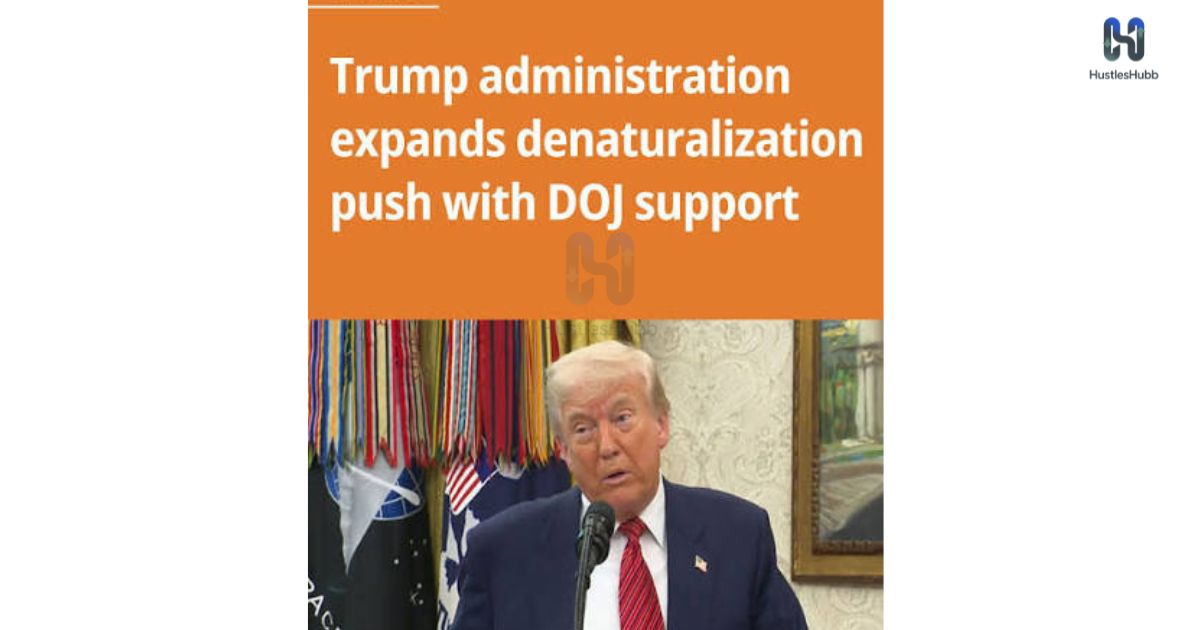
Under the Trump immigration policy, enforcement efforts expanded significantly, leading to what officials described as an aggressive denaturalization campaign. The goal was to increase accountability and strengthen immigration screening systems across the country.
Reports indicate an expansion of denaturalization efforts, including a target of hundreds of cases per year. This reflects a broader strategy of immigration enforcement actions, focusing on tightening security checks and prioritizing cases involving fraud or criminal conduct. Critics argue the policy increases legal pressure on immigrants, while supporters say it improves national security.
Officials also described a major expansion of denaturalization efforts, with hundreds of planned cases annually. This includes a significant increase in denaturalization referrals sent by investigators. Supporters argue it strengthens the immigration system, while critics see it as overly strict.
Justice Department Denaturalization Push Cases and Recent DOJ Actions
Recent actions by the Department of Justice show a clear rise in denaturalization cases across multiple states. These cases often involve individuals accused of hiding serious crimes such as fraud, drug offenses, or violent activity during their immigration process.
The increase in federal denaturalization lawsuits highlights a shift toward more aggressive legal enforcement. Instead of rare cases, the government is now actively pursuing a larger number of investigations. This trend reflects stronger Justice Department civil litigation strategies aimed at protecting the integrity of citizenship systems.
Recent actions by the Department of Justice show a rise in filings related to denaturalization cases. These include cases involving fraud, criminal records, and misrepresentation. The goal is to enforce accountability under U.S. immigration law.
A key trend is the rise of federal denaturalization lawsuits targeting individuals accused of hiding past crimes. These cases demonstrate how Justice Department civil litigation is being used to enforce citizenship laws more strictly than in previous decades.
Justice Department Denaturalization Push vs Naturalization
The naturalization process is the legal pathway that allows immigrants to become U.S. citizens after meeting strict requirements such as residency, background checks, and language tests. Once approved, individuals gain full citizenship benefits, including voting rights and legal protection from deportation.
In contrast, denaturalization is the reversal of that process. It occurs only when fraud or serious violations are proven. While naturalization builds legal identity, denaturalization removes it through court action. This makes loss of American citizenship one of the most severe outcomes in immigration law.
On the other hand, denaturalization removes those rights if wrongdoing is proven. While naturalization builds legal identity, denaturalization reverses it through court action. This contrast highlights the seriousness of the loss of American citizenship under federal law.
Justice Department Denaturalization Push and U.S. Immigration Law
Under U.S. immigration law, citizenship can only be revoked under strict legal standards. The law requires strong evidence of wrongdoing, such as citizenship fraud or intentional misrepresentation. This ensures that decisions are not made lightly or without proper justification.
The system relies on federal judges’ review of denaturalization cases to maintain fairness and legal balance. Judges evaluate whether the evidence meets the high burden of proof. This careful process ensures that immigration enforcement priorities remain consistent with constitutional protections.
Under U.S. immigration law, citizenship can only be revoked under strict conditions. Laws allow action when evidence of illegal naturalization or fraud is proven. This ensures fairness and prevents misuse of authority.
The system also relies heavily on federal judges’ review of denaturalization cases to maintain legal balance. The process ensures that only valid cases proceed. This is part of long-standing immigration enforcement priorities in the United States.
Justice Department Denaturalization Push Impact on Naturalized Citizens
The impact of this policy on naturalized Americans facing legal action can be deeply personal and life-changing. Losing citizenship affects employment, travel rights, and long-term security. Many individuals also face emotional stress due to uncertainty about their legal status.
In serious cases, individuals may experience deportation after citizenship revocation. This can result in a return to lawful permanent resident status before removal proceedings begin. Families are often affected as well, making this one of the most sensitive areas of immigration law enforcement.
Justice Department Denaturalization Push Controversies and Public Debate

The Justice Department denaturalization push has sparked strong debate in legal and political circles. Supporters believe it strengthens national security and prevents abuse of the immigration system. They argue that removing cases of fraud protects the integrity of citizenship.
Critics, however, argue that the process can create fear among immigrants and may lead to unfair targeting. They raise concerns about challenging denaturalization allegations, especially for individuals without strong legal representation. This debate continues across courts, media, and public discussions.
Justice Department Denaturalization Push FAQs and Future Outlook
Experts believe that the future of the Justice Department’s denaturalization push will depend heavily on political leadership and legal interpretation. If current trends continue, denaturalization proceedings may become more frequent in federal courts.
Looking ahead, the focus will likely remain on strengthening denaturalization legal standards and improving fraud detection systems. However, debates about fairness, rights, and immigration policy will continue shaping how foreign-born U.S. citizens are treated under evolving laws.
Summary
The Justice Department Denaturalization Push 2026 represents a major shift in U.S. immigration enforcement. It combines strict legal review, increased federal court cases, and stronger oversight of citizenship applications. While it targets fraud, it also raises important questions about fairness, rights, and long-term immigration policy in America.
Understanding this system helps you see how deeply American citizenship laws affect millions of naturalized citizens and the future direction of U.S. immigration control.
FAQs
What is the Justice Department’s denaturalization push?
It is a U.S. government effort to review and revoke citizenship in cases involving fraud, misrepresentation, or illegal naturalization.
Who can be affected by denaturalization cases?
Naturalized citizens who obtained U.S. citizenship through fraud, false information, or criminal concealment may face legal action.
Is denaturalization a common process in the U.S.?
No, it is very rare and only used in serious cases involving proven citizenship fraud or legal violations.
What happens if someone loses U.S. citizenship?
They may lose all citizenship rights and could face deportation or return to lawful permanent resident status.
Can denaturalization decisions be challenged in court?
Yes, individuals have the right to defend themselves and challenge the government’s allegations in federal court.
Read Also: Knicks Parade 2026: Complete Championship Celebration

Welcome to Hustles Hubb! I’m Shafqat Amjad, an AI-Powered SEO and Content writer with 4 years of experience.
I help websites rank higher, grow traffic, and look amazing. My goal is to make SEO and web design simple and effective for everyone.
Let’s achieve more together!