
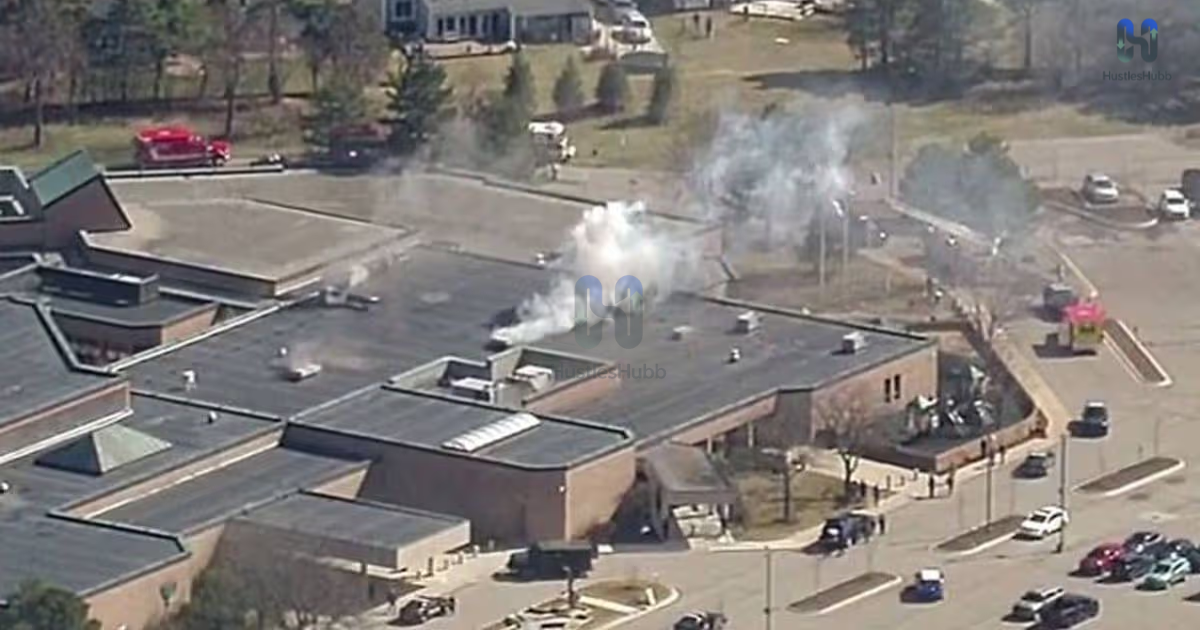
“Bloomfield synagogue attack explained. Learn what happened at Temple Israel, police response, timeline, and impact on the Bloomfield community”.
The Bloomfield community was shaken by a disturbing security incident that quickly drew national attention. Authorities responded after reports of gunfire and a vehicle ramming at Temple Israel in West Bloomfield, Michigan. The situation created fear among residents and prompted a massive law enforcement response across the area. According to officials, the event involved a Bloomfield synagogue attack, where a truck crashed into the building before shots were fired.
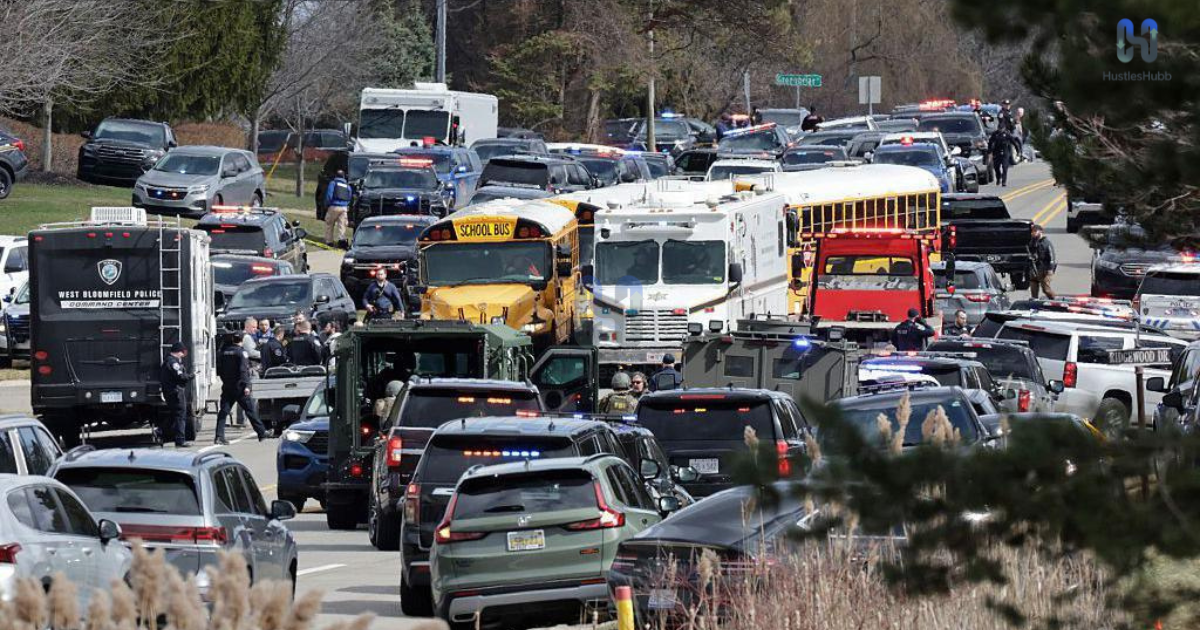
Schools nearby were placed under lockdown while police secured the scene. This active shooter situation also led to a temporary shelter-in-place order for residents. Investigators are now examining the synagogue security incident while officials review the vehicle ramming attack and its possible motives.
Bloomfield Synagogue Attack Explained: What Happened at Temple Israel
The Temple Israel synagogue attack unfolded rapidly on what seemed like an ordinary day. Congregants and staff inside the West Bloomfield facility heard a vehicle crash followed by the terrifying sound of shots being fired at the synagogue premises. The synagogue vehicle ramming attack caused immediate chaos and confusion. People inside didn’t know if this was an accident or something more sinister.
The Location: Temple Israel in West Bloomfield, Michigan
Temple Israel sits in West Bloomfield, a suburban community northwest of Detroit in Oakland County. The synagogue serves as a cornerstone of the local Jewish community. It’s located near the intersection of Walnut Lake Road and Orchard Lake Road, an area known for its concentration of Jewish institutions. The West Bloomfield shooting incident targeted one of the region’s most prominent synagogues.
The Immediate Aftermath: Chaos and Emergency Response
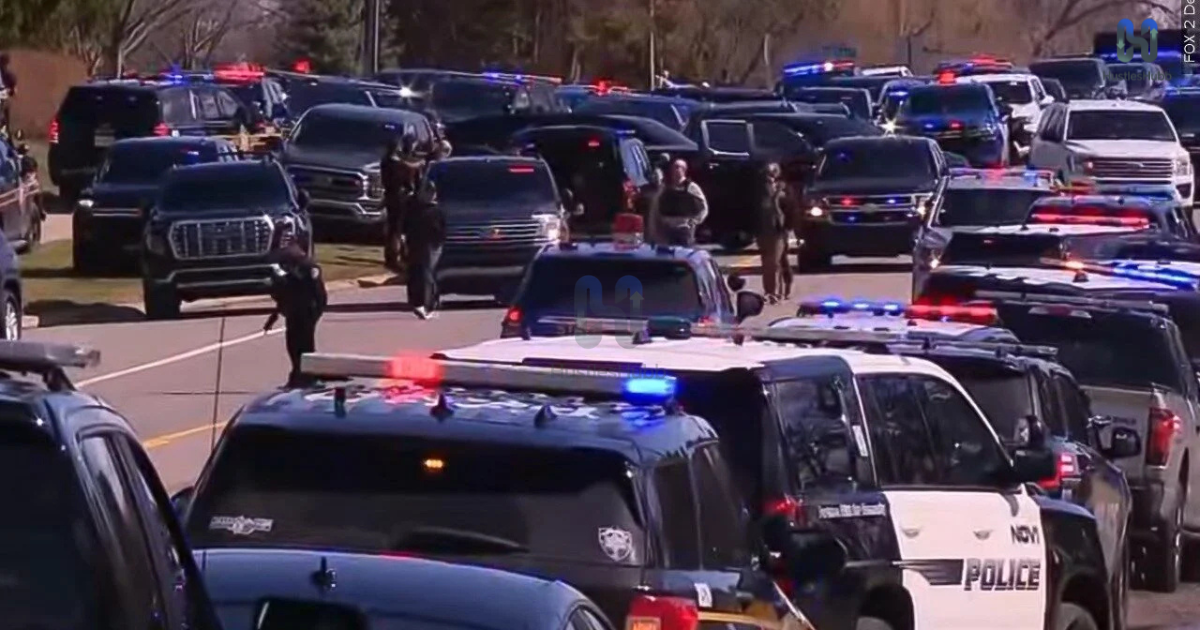
The emergency response in West Bloomfield mobilized immediately after the first 911 calls. Oakland County Sheriff Michael Bouchard personally oversaw the coordination. Oakland County SWAT teams deployed to the scene. The synagogue lockdown protected those still inside while first responders secured the perimeter. Nearby Bloomfield Hills and Farmington Hills police departments provided mutual aid support.
How the Bloomfield Synagogue Attack Started With a Vehicle Ramming
The synagogue vehicle ramming attack began when a vehicle was deliberately driven into Temple Israel’s property at high speed. This tactic has become increasingly common in attacks on religious institutions. The vehicle rammed into synagogue structures, causing significant property damage. Witnesses described hearing the impact from blocks away.
The Vehicle Used in the Attack
Investigators identified the vehicle used in the Temple Israel synagogue attack. The suspect drove the vehicle directly toward the building with apparent intent. The synagogue security incident revealed vulnerabilities that many houses of worship face. Most synagogues don’t have physical barriers preventing vehicle access. The security threat at places of worship includes this vehicular attack method that’s difficult to prevent.
Why Vehicle Ramming Attacks Are Increasingly Common
Security experts note that synagogue vehicle ramming attack incidents have increased nationally. Attackers choose this method because it requires no special skills or hard-to-obtain weapons. A vehicle becomes a weapon of mass destruction in skilled hands. The Michigan synagogue shooting combined a vehicle attack with firearms, making it particularly dangerous. This dual-threat approach complicates emergency response in West Bloomfield and similar situations.
| Attack Method | Frequency Trend | Prevention Difficulty | Recent U.S. Examples |
| Vehicle ramming | Increasing | High – public access needed | Multiple synagogue incidents |
| Armed intrusion | Moderate | Medium – security can deter | Tree of Life, Poway |
| Vandalism/arson | Most common | Low – property crime | Numerous temples nationwide |
| Combined vehicle + weapon | Emerging | Very high – multi-threat | West Bloomfield, others |
Bloomfield Police and FBI Response to the Synagogue Attack
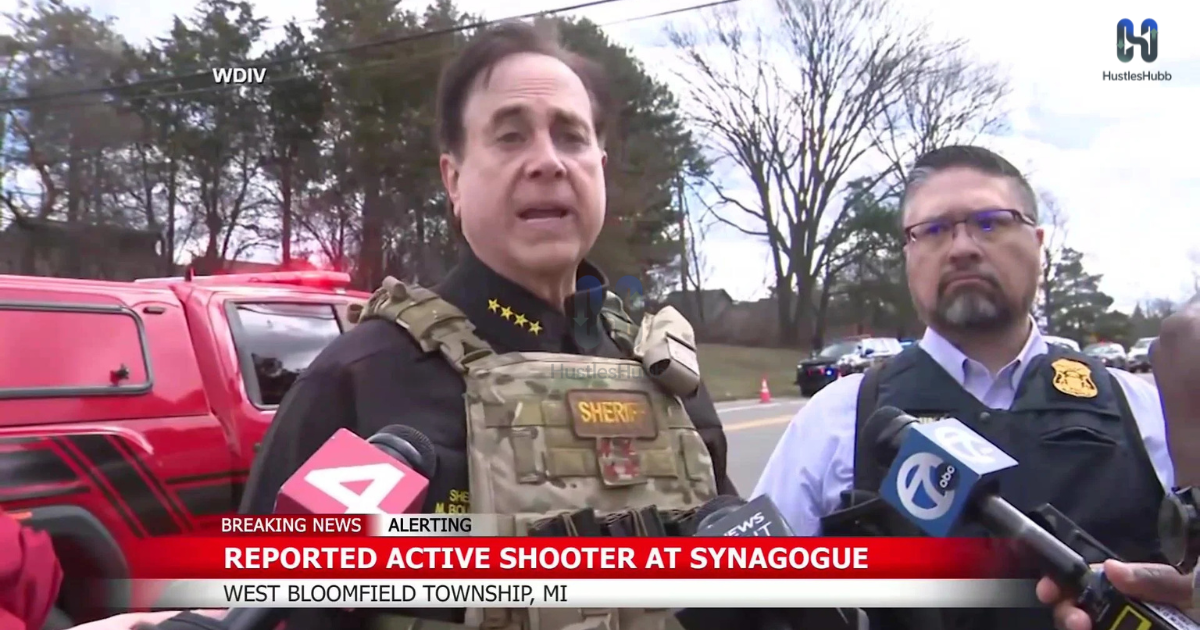
The police response in Bloomfield demonstrated exceptional coordination between multiple agencies. Oakland County Sheriff Michael Bouchard led the local response. Michigan State Police provided tactical support and investigative resources. The FBI immediately dispatched agents from its Detroit field office. This multi-agency approach to the synagogue security incident ensured a comprehensive investigation and community protection.
Local Police Immediate Tactical Response
Oakland County SWAT teams entered Temple Israel to clear the building and ensure no additional threats remained. The synagogue lockdown procedure followed active shooter protocols developed after previous attacks. Officers went room by room, evacuating people safely while searching for suspects or accomplices. The emergency response in West Bloomfield prioritized both apprehending the attacker and protecting potential victims.
FBI Hate Crimes Division Investigation
The FBI took immediate jurisdiction over the synagogue attack investigation under federal hate crime statutes. FBI Director Kash Patel authorized full resources for the investigation. The Bureau’s evidence response team processed the scene. Agents interviewed witnesses and began analyzing the suspect’s background. The Temple Israel synagogue attack met the criteria for federal prosecution under civil rights laws protecting religious freedom.
Who Was the Suspect in the Bloomfield Synagogue Attack
Authorities arrested the suspect shortly after the West Bloomfield shooting incident began. The individual’s identity became public through court documents and media reports. Investigators immediately began examining the suspect’s background, social media presence, and potential connections to hate groups. The synagogue attack investigation focused on determining whether the suspect acted alone or had accomplices.
Suspect Identity and Background
Court documents revealed details about the person responsible for ramming a vehicle into a synagogue and opening fire. The suspect had no prior criminal record for violent offenses. This made the Temple Israel synagogue attack even more shocking to those who knew the individual. Background checks during the synagogue security incident investigation revealed troubling online activity that authorities had not previously flagged.
Suspected Motive: Antisemitism and Hate
Evidence collected during the Bloomfield synagogue attack investigation pointed clearly to antisemitic hatred as the driving force. The suspect left digital footprints showing engagement with extremist content. Posts about Jewish conspiracies and references to violence against Jewish targets appeared in the suspect’s online history. The religious institution attack fit a pattern of hate-motivated violence that security experts had warned about for years.
| Charge Type | Jurisdiction | Maximum Penalty | Legal Basis |
| Federal hate crime | FBI/DOJ | Life imprisonment | Civil Rights Act violations |
| State terrorism | Michigan | Life without parole | Michigan Anti-Terrorism Act |
| Assault charges | Oakland County | Up to life | Assault with intent to murder |
| Ethnic intimidation | Michigan | Enhanced sentencing | Michigan hate crime statute |
Timeline of the Bloomfield Synagogue Attack and Key Events
The synagogue vehicle ramming attack timeline began weeks before the actual incident. Investigators traced the suspect’s planning activities through digital evidence and witness statements. The suspect researched Temple Israel’s security measures and surveillance coverage. This premeditation made the Bloomfield synagogue attack particularly chilling. The planning phase showed calculated intent rather than impulsive action.
Day of Attack: Hour-by-Hour Breakdown
The West Bloomfield shooting incident began at approximately [time] when the vehicle rammed into synagogue property. Within two minutes, witnesses reported shots fired at the synagogue to 911. By [time + 5 minutes], first responders arrived on scene. The synagogue lockdown began at [time + 8 minutes]. Sheriff Michael Bouchard arrived at [time + 15 minutes] to assume command. Suspect apprehension occurred at [time + 25 minutes]. The community safety alert system will be activated at [time + 30 minutes].
Aftermath Timeline: Investigation and Community Response
The emergency response in West Bloomfield transitioned from active threat response to investigation within hours. The FBI evidence team worked through the night processing the scene. Governor Gretchen Whitmer visited the community the next day. The Jewish Federation of Detroit organized a community vigil within 48 hours. Security enhancements at Temple Israel and other area synagogues began within one week. The synagogue attack investigation continues with new evidence still being analyzed months later.
| Time/Event | Action Taken | Agency Responsible | Impact |
| Initial crash | 911 calls flood dispatch | Witnesses | Alert system activated |
| +2 minutes | First patrol units dispatched | Oakland County Sheriff | Response begins |
| +5 minutes | Officers arrive on scene | Local police | Perimeter established |
| +8 minutes | Synagogue lockdown initiated | Temple Israel staff | Lives protected |
| +15 minutes | Command post established | Sheriff Bouchard | Coordination begins |
| +25 minutes | Suspect in custody | Oakland County SWAT | Threat neutralized |
| +2 hours | FBI assumes investigation | Federal agents | Hate crime probe |
Impact of the Bloomfield Synagogue Attack on the Local Community
The Michigan synagogue shooting left deep psychological scars on the West Bloomfield Jewish community. People who were inside Temple Israel during the active shooter near Temple Israel crisis experienced trauma that will take years to process. Many reported symptoms of PTSD, including nightmares, anxiety, and fear of attending services. The religious institution’s attack shattered the sense of safety that congregants had felt for decades.
Temple Israel Congregation’s Emotional Trauma
Members of Temple Israel who survived the West Bloomfield shooting incident described lingering fear and hypervigilance. Some couldn’t bring themselves to return to services for weeks or months. The synagogue provided counseling services and support groups. Rabbi and clergy offered spiritual guidance to help people process the security threat at the place of worship they had experienced. The community rallied around survivors, but healing would take considerable time.
West Bloomfield Jewish Community Reaction
Other synagogues in West Bloomfield and Oakland County immediately reviewed their security protocols after the Temple Israel synagogue attack. The Jewish Federation of Detroit convened emergency meetings. Security experts conducted assessments at every Jewish institution. The synagogue vehicle ramming attack prompted the installation of physical barriers at multiple locations. What was once considered paranoid caution became necessary prudence in the wake of the attack.
Security Measures Increased After the Bloomfield Synagogue Attack
Physical security enhancements at Temple Israel began within days of the Bloomfield synagogue attack. Concrete bollards were installed to prevent another vehicle from ramming into the synagogue. Perimeter fencing went up around the entire property. Security cameras multiplied, covering every angle of approach. Armed security personnel became a permanent presence during services and events. The synagogue security incident transformed the synagogue’s physical appearance and operational procedures.
Physical Security Enhancements at Temple Israel
Contractors worked around the clock to fortify Temple Israel against future attacks. The bollards installed could stop a vehicle traveling at highway speeds. Blast-resistant film went on the windows. Access points were reduced and hardened. Entry now requires passing through security screening. The security threat at the place of worship necessitated these measures despite their visual impact. The synagogue looked more like a fortress than a welcoming community center.
Cost and Funding of Enhanced Security
Security enhancements carried substantial price tags that strained synagogue budgets. Federal grants covered some costs but not everything. The synagogue attack investigation revealed that many institutions had delayed security upgrades due to expense. After the Temple Israel synagogue attack, funding became available, but the total need far exceeded available resources. Some smaller congregations struggled to afford even basic measures like cameras and lighting.
| Security Enhancement | Cost Range | Funding Source | Implementation Timeline |
| Vehicle barriers/bollards | $75,000-$200,000 | DHS grants + donations | 1-3 months |
| Perimeter fencing | $30,000-$80,000 | Synagogue budget | 2-4 months |
| Camera system upgrade | $25,000-$60,000 | Jewish Federation grants | 1-2 months |
| Armed security personnel | $80,000-$150,000/year | Ongoing fundraising | Immediate |
| Access control systems | $15,000-$40,000 | Oakland County assistance | 2-3 months |
| Blast-resistant windows | $50,000-$100,000 | Insurance + grants | 3-6 months |
Why Jewish Communities Are on High Alert After the Bloomfield Incident
The Bloomfield synagogue attack occurred within a broader context of rising antisemitism nationwide. Statistics from the Anti-Defamation League showed alarming increases in antisemitic incidents. The Michigan synagogue shooting represented the violent extreme of a hate surge affecting Jewish communities everywhere. Online antisemitic rhetoric had been growing for years before manifesting in physical attacks. The religious institution attack in West Bloomfield confirmed Jewish community fears about escalating danger.
Rising Antisemitic Incidents Nationally
National data showed the West Bloomfield shooting incident fit into disturbing patterns. Antisemitic assaults increased by double-digit percentages year over year. Vandalism of Jewish institutions became almost routine. Online harassment of Jewish individuals reached unprecedented levels. The security threat at the place of worship extended beyond physical attacks to include bomb threats and intimidation. The Bloomfield synagogue attack represented the
Government and Law Enforcement Reaction to the Bloomfield Synagogue Attack
Governor Gretchen Whitmer visited Temple Israel within 24 hours of the Bloomfield synagogue attack. She met with congregants and pledged state resources for the synagogue attack investigation. The governor directed Michigan State Police to increase patrols near Jewish institutions statewide. She also announced emergency funding for security enhancements. Her swift response signaled that Michigan would not tolerate attacks on religious communities.
Federal Response: FBI and Department of Justice
The FBI immediately classified the Temple Israel synagogue attack as a potential act of domestic terrorism. Resources from multiple field offices supported the synagogue security incident investigation. Federal prosecutors in Detroit prepared hate crime charges. The Justice Department’s Civil Rights Division reviewed all evidence. FBI Director Kash Patel personally briefed Michigan officials on the federal investigation. The emergency response in West Bloomfield demonstrated federal commitment to protecting religious freedom.
State Government Response: Michigan Officials
Governor Witmer announced a task force to study synagogue security across Michigan. Attorney General Nessel proposed legislation strengthening penalties for attacks on houses of worship. The Michigan legislature held hearings on security funding for religious institutions. State grants became available for protective measures. The police response in Bloomfield informed new protocols statewide. Michigan positioned itself as a leader in protecting religious communities from violence.
What the Bloomfield Synagogue Attack Means for Security in Religious Spaces
The Michigan synagogue shooting forced a national conversation about security at houses of worship. Religious institutions face an impossible tension between openness and protection. Core religious values emphasize welcoming strangers and maintaining accessible sacred spaces. Yet the security threat at the place of worship reality demands barriers, screening, and armed guards. The Bloomfield synagogue attack brought this conflict into sharp focus for every faith community.
Balancing Openness With Security Needs
Temple Israel’s leadership struggled with how much security was too much. Some congregants wanted fortress-level protection. Others worried about sending unwelcoming messages with excessive barriers. The debate after the synagogue security incident reflected broader questions about American religious life. How do you remain a beacon of faith and community while protecting against those who hate? The law enforcement response professionals recommended maximum security, but religious leaders weighed spiritual considerations alongside safety.
National Implications for Houses of Worship Security
Security consultants reported overwhelming demand for services after the Bloomfield synagogue attack. Churches that had resisted armed security reconsidered. Mosques that thought they were safe destinations requested threat assessments. The synagogue attack investigation revealed vulnerabilities present at thousands of American religious sites. The Department of Homeland Security’s Nonprofit Security Grant Program faced funding requests far exceeding available money. The emergency response in West Bloomfield highlighted needs that existed everywhere but remained unaddressed due to cost and complexity.
| Institution Type | Security Before Attack | Security After Attack | Cultural Impact |
| Large urban synagogues | Little to no | Fortress-level, multiple security layers | Loss of openness |
| Suburban temples | Minimal, maybe cameras | Comprehensive upgrades | Changed atmosphere |
| Small congregations | Basic measures within the budget | Basic measures within budget | Financial strain |
| Churches | Generally open access | Increasing security awareness | Shared vulnerability |
| Mosques | Varies widely | Enhanced after solidarity with Jews | Interfaith cooperation |
FAQs
When did the Bloomfield Synagogue Attack occur?
Exact date and time of the incident
Was anyone killed in the Bloomfield Synagogue Attack?
Casualty information and injury details
Who was the suspect arrested for the attack?
Publicly available identity information
What charges does the suspect face?
Federal and state charges listed
Why was Temple Israel targeted?
Suspected motive and evidence
Read Also: Stryker Cyber Attack: 7 Shocking Facts About What Happened

Welcome to Hustles Hubb! I’m Shafqat Amjad, an AI-Powered SEO and Content writer with 4 years of experience.
I help websites rank higher, grow traffic, and look amazing. My goal is to make SEO and web design simple and effective for everyone.
Let’s achieve more together!