
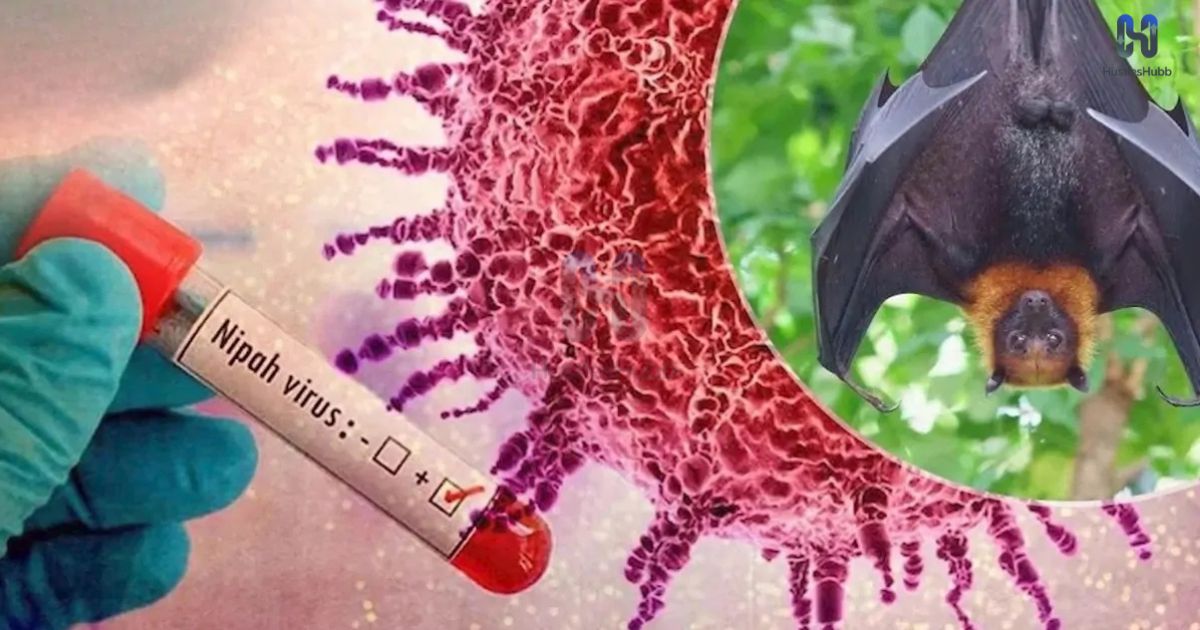
“Nipah virus outbreak 2026 explained. Learn symptoms, transmission, mortality risk, and global health concerns in this easy guide”.
The world is closely watching the latest developments surrounding the Nipah virus outbreak, a rare but serious health threat that has re-emerged in Asia in 2026. This deadly Nipah virus has once again raised alarms due to its high fatality rate and lack of a proven cure. Health officials are concerned because Nipah virus symptoms often begin mildly, making early detection difficult.
What makes the situation more dangerous is the unpredictable nature of Nipah virus transmission, which can occur between animals and humans, as well as from person to person. With increased travel and global connectivity, the Nipah virus global health risk is now a growing concern for countries far beyond the outbreak zone.
What is the Nipah Virus? Deadly Infection Explained
The Nipah virus is a rare but extremely dangerous pathogen. Scientists classify it as an emerging infectious disease because it appears suddenly and spreads in unpredictable ways. It was first identified during the Malaysian Nipah outbreak in 1998, where pig farmers fell ill after contact with infected animals. That outbreak revealed how serious a Nipah virus infection can be.
The World Health Organization (WHO) lists Nipah among its top priority diseases. The reason is clear. The virus causes severe illness, spreads quietly, and has a very high death rate. The Nipah virus global health risk increases in regions with dense populations and limited medical resources. Once it enters hospitals, controlling it becomes difficult.
Nipah Virus Symptoms: Early Signs, Severe Effects & Warning Indicators
The challenge with Nipah virus symptoms is how ordinary they seem at first. Many patients develop Fever and headache symptoms that resemble common viral infections. Muscle pain, vomiting, and sore throat may follow. Some people feel only mild discomfort. Others show no symptoms at all during the early stages.
As the disease progresses, the situation can change rapidly. The virus may cause Brain inflammation (encephalitis), which affects thinking and consciousness. Patients can become confused, drowsy, or unconscious. The Nipah virus incubation period usually lasts Incubation period 4 to 14 days, which allows infected people to interact with others before realizing they are sick.
How Nipah Virus Spreads: Human-to-Human & Animal Transmission
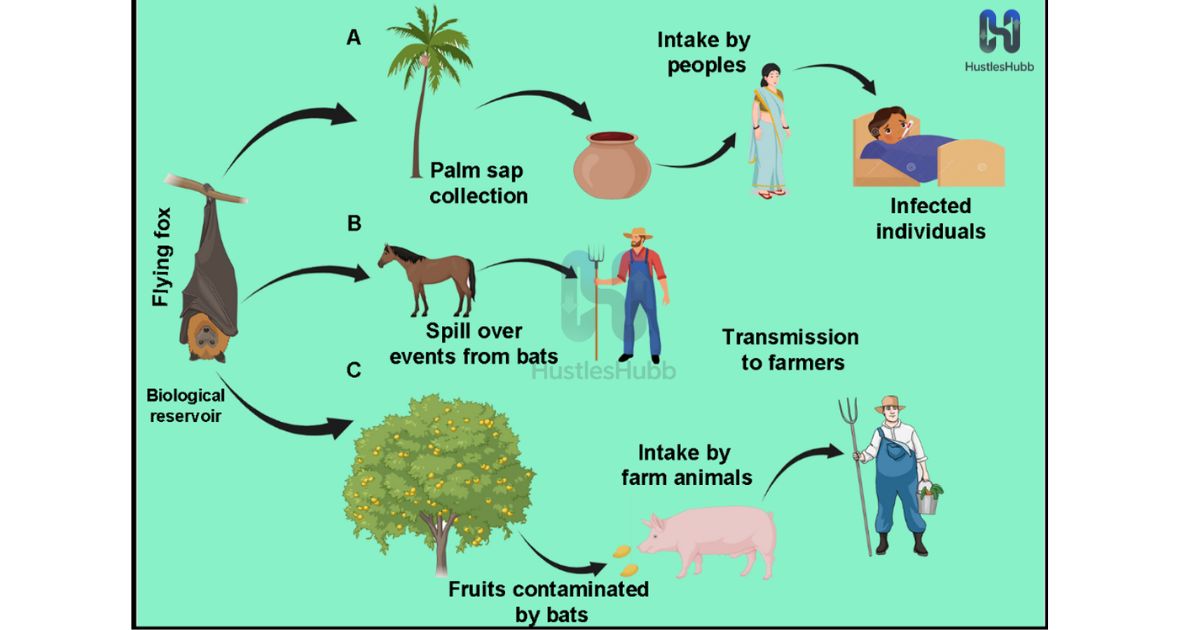
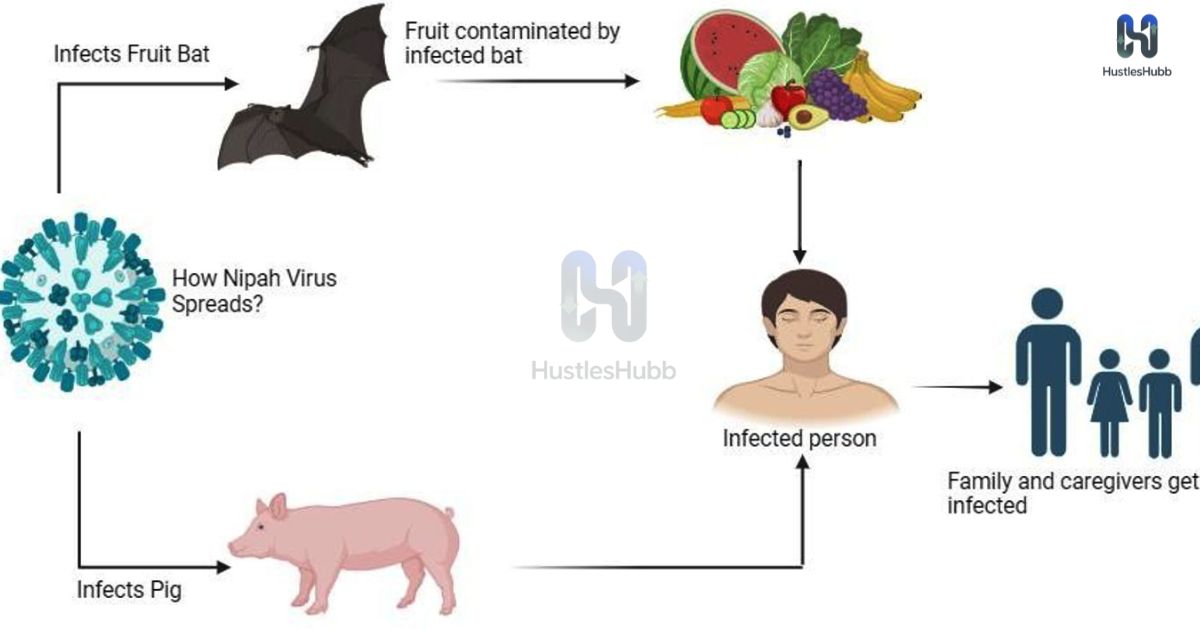
The Nipah virus transmission pattern is complex. It spreads through Animal-to-human transmission when people come into contact with infected animals or contaminated food. It also spreads through Human-to-human transmission, especially in hospitals and homes where close care is provided.
Wildlife plays a major role. Nipah virus fruit bats act as natural carriers. They shed the virus in saliva and urine. Farm animals, such as Nipah virus pigs, can become infected after exposure. This cycle explains the Nipah virus animal-to-human spread seen in rural and hospital-linked outbreaks.
Past Nipah Virus Outbreaks: India, Bangladesh, Malaysia & Asia Timeline
History provides important lessons. After the initial Malaysian outbreak, Bangladesh Nipah cases became more frequent. Many outbreaks involved family members and caregivers, showing how easily the virus spreads through close contact. Fatality rates remained high across outbreaks.
In India, the West Bengal Nipah virus outbreaks in 2001 and 2007 highlighted regional vulnerability. Later, the Kerala Nipah outbreak shocked health officials. In 2018, most infected patients did not survive. These events confirmed the consistently high Nipah virus mortality rate and the need for a fast response.
Current Nipah Virus Situation 2026: India Cases, China Monitoring & Asia Alert
In 2026, new Nipah virus cases in India were reported in West Bengal. Several infections were linked to a private medical facility. Multiple Nipah virus healthcare workers were exposed while treating patients. Reports confirmed Healthcare workers infected, with at least one case becoming critical at Barasat hospital.
Governments across the region reacted quickly. Authorities issued a Nipah virus Asia alert. Surveillance teams tracked contacts and enforced Quarantine measures. Health officials emphasized transparency to avoid misinformation and public panic.
Is Nipah Virus in China? Official Reports, Surveillance & Fact Check

Online rumors often move faster than facts. So far, officials confirm no active Nipah cases in China. However, health authorities continue monitoring travelers and hospitals. Surveillance does not mean an outbreak exists. It means caution is in place.
Several countries expanded airport screenings to identify symptoms early. These steps aim to protect public health without disrupting travel unnecessarily. Clear communication helps reduce fear and confusion during such global health events.
Nipah Virus Mortality Rate: Why This Virus Is Considered Extremely Dangerous
Experts consider Nipah one of the world’s most lethal viruses. The Nipah virus mortality rate ranges widely but remains alarming. Studies report a High fatality rate (40%–75%), depending on healthcare access and outbreak management.
The table below compares Nipah with other known viruses.
| Virus | Estimated Fatality Rate | Vaccine Status |
| Nipah Virus | 40–75% | None |
| COVID-19 | Below 2% | Available |
| Ebola | 25–90% | Limited |
This comparison shows why experts warn about the Nipah virus pandemic risk, even though total case numbers remain lower.
Is There Any Treatment or Cure for the Nipah Virus? Vaccine & Medical Response
At present, there is no vaccine for the Nipah virus. There is also no approved treatment specifically targeting the virus. Doctors rely on supportive care, such as managing breathing, hydration, and brain swelling.
Research continues worldwide. Scientists test antiviral drugs and antibody therapies. The World Health Organization (WHO) coordinates research efforts and data sharing. Progress is slow but steady. Until breakthroughs occur, prevention remains the strongest defense.
Nipah Virus Prevention Tips: Safety Measures, Travel Screening & Quarantine Rules
Prevention depends on behavior, policy, and early detection. Health authorities isolate confirmed cases and enforce Nipah virus quarantine for close contacts. These actions reduce the chance of hospital-based spread.
Travel safety has increased. Thailand’s airports’ screening now covers flights from affected areas. Nepal border screening includes land crossings and Kathmandu airport. These measures aim to stop infected travelers before wider exposure occurs.
Global Health Impact of Nipah Virus: WHO Role, Airport Screenings & Future Risks
The global response reflects lessons learned from COVID-19. Several regions issued alerts, including a formal European health alert to prepare healthcare systems. Taiwan classified Nipah as a Taiwan Category 5 disease, requiring immediate reporting and strict controls.
The World Health Organization (WHO) stresses readiness over panic. Early detection, honest reporting, and international cooperation remain essential. While Nipah has not become widespread globally, the risk remains real. Preparedness today reduces damage tomorrow when the next Nipah virus outbreak emerges.
FAQs
Is there a Nipah virus in the US?
No confirmed Nipah virus cases have been reported in the United States so far, but health authorities actively monitor global outbreaks.
What happens if you get the Nipah virus?
You may develop flu-like illness at first, which can progress to severe breathing problems or brain inflammation in serious cases.
Has anyone survived Nipah?
Yes, some people have survived Nipah virus infection, especially when they received early medical care and supportive treatment.
What causes the Nipah virus?
The Nipah virus is caused by a zoonotic virus that spreads from animals like fruit bats or pigs to humans, and sometimes between people.
What is the deadliest virus on Earth?
Viruses like Nipah and Ebola are considered among the deadliest due to their very high fatality rates and lack of widespread cures.
Read Also: Winter Storm Watch 2026: 9 Critical Updates, Warnings & Live Coverage

Welcome to Hustles Hubb! I’m Shafqat Amjad, an AI-Powered SEO and Content writer with 4 years of experience.
I help websites rank higher, grow traffic, and look amazing. My goal is to make SEO and web design simple and effective for everyone.
Let’s achieve more together!