
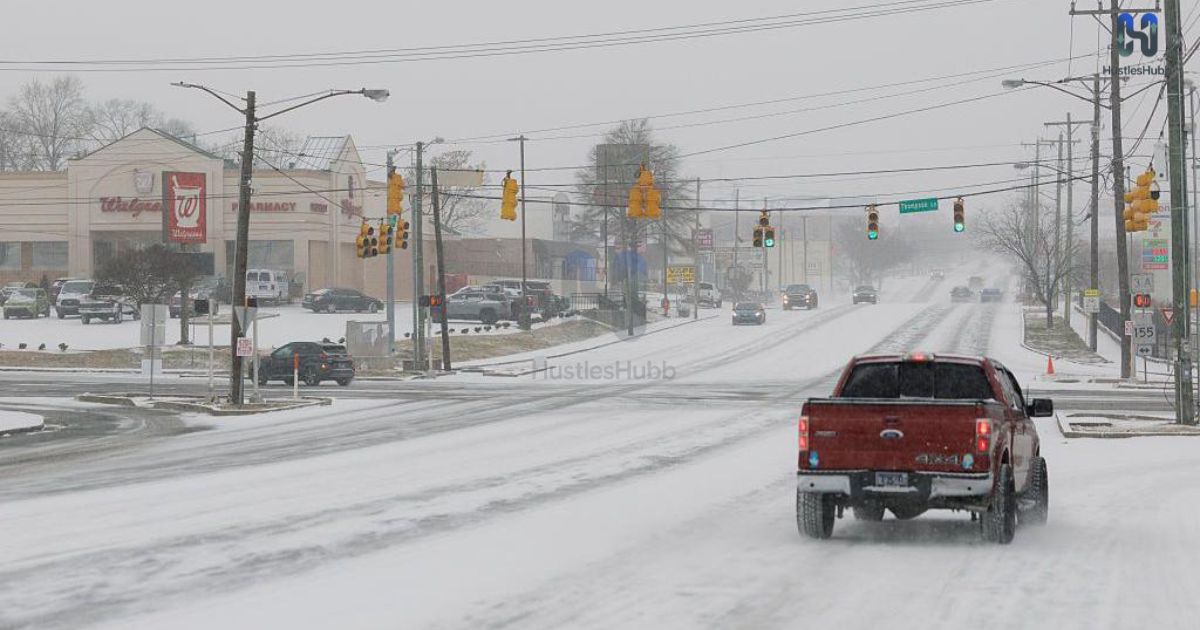
Winter storm watch alerts you to possible snow, ice, and travel risks. Get forecasts, safety tips, and live updates to stay prepared.
A winter storm watch is an early signal that serious weather could disrupt daily life across the United States. It warns you that snow, sleet, or ice may develop soon, even if exact details are still uncertain. During this stage, forecasters closely monitor changing temperatures, moisture, and wind patterns to assess risk.
Conditions like winter storm warning upgrades, freezing rain forecast, and sleet and snow accumulation often follow if confidence increases. For many communities, a watch means preparing for dangerous road conditions and possible delays. Taking this alert seriously helps you plan ahead, stay safe, and avoid last-minute stress when winter weather intensifies.
Winter Storm Watch Explained – What It Means for Residents
A Winter Storm Watch means meteorologists see a strong chance of impactful winter weather developing soon. It does not guarantee exact outcomes, but it warns you that conditions may worsen quickly. Unlike a basic winter weather alert, a watch suggests higher confidence that snow, sleet, or ice could disrupt daily life. This early notice gives households time for smart winter storm preparation.
For residents, a watch usually points to below-freezing temperatures lasting long enough to cause problems. You may first notice snow showers expected, then a shift as atmospheric layers change. Forecasters closely track warm air aloft, because that layer often decides whether precipitation stays snow or turns into ice. Acting early during a watch can prevent stress later.
How weather models guide a Winter Storm Watch
Weather models analyze pressure systems, temperature layers, and moisture moving west to east. Small changes in these factors can shift impacts miles north or south. That uncertainty explains why a watch covers wide areas before narrowing into a winter storm warning.
Winter Storm Watch Areas Under Alert Tonight
When a watch is issued, coverage often spans multiple regions. In many recent systems, Piedmont Triad weather has been a major focus. Communities across the Piedmont Triad, including Forsyth County, Guilford County, Davidson County, and Randolph County, face heightened risk when cold air stays locked near the surface.
Geography matters. Areas near the NC/VA line and Virginia border counties often hold cold air longer, increasing icing risk during an NC/VA line winter storm. Meanwhile, the mountains and foothills cool faster, boosting totals in the foothills snow forecast zone. These differences explain why neighbors can see very different outcomes.
Winter Storm Watch vs Winter Storm Warning – Key Differences
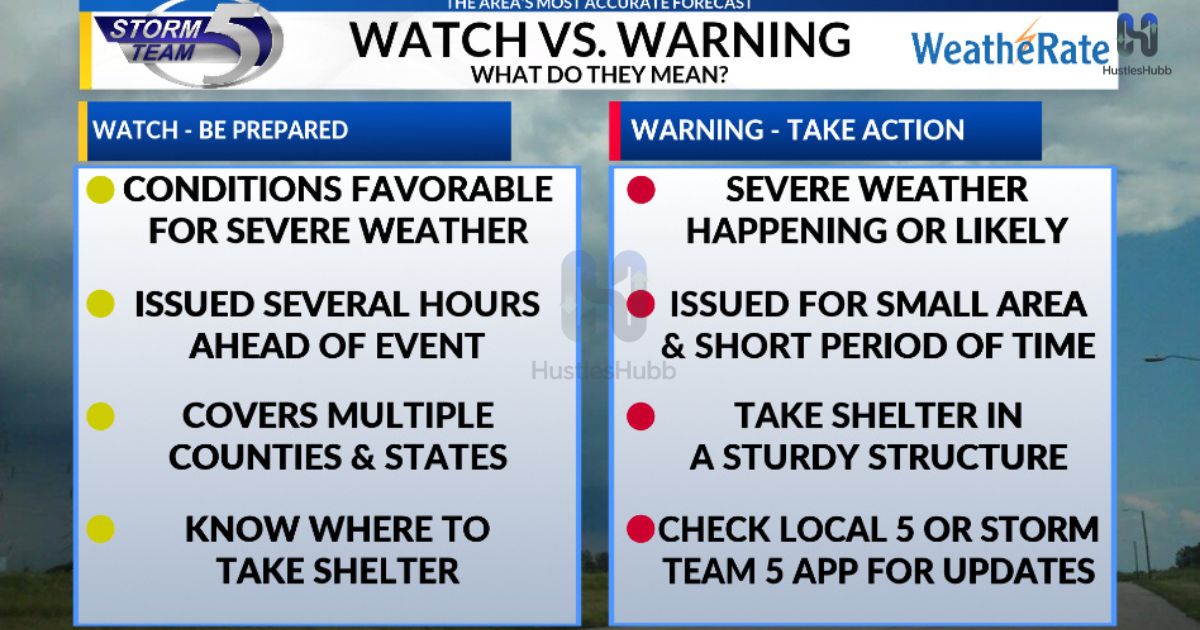
A Winter Storm Watch signals potential. A winter storm warning signals action. When a warning is issued, confidence is high that hazardous weather will occur or is already happening. The shift from watch to warning usually follows clearer trends, such as a steady freezing rain forecast or rising ice accumulation forecast.
The difference matters for decisions. A watch suggests preparation. A warning means limit travel, secure homes, and expect disruptions. Both tools exist to reduce winter storm impacts, especially injuries and infrastructure damage.
Snow, Sleet, or Ice? What Forecasters Say About This Winter Storm Watch
Winter storms are complex because temperature changes happen vertically, not just at ground level. Cold air near the surface, combined with warmer layers above, can trigger a snow-to-sleet transition. As warming continues, you may see snow changing to sleet, then sleet changing to freezing rain.
Ice creates the most danger. Even small amounts worsen dangerous road conditions and increase the risk of power outages. Heavy icing leads to downed trees and power lines, turning routine commutes into emergencies. That is why forecasters stress caution even when snow totals seem modest.
Winter Storm Watch Timeline – When Will Snow and Sleet Begin?
Timing drives impact. Many winter systems arrive quietly, then intensify rapidly. Snow often begins first, followed by mixing as temperatures shift. The most severe period frequently occurs during late Saturday night weather, when roads are untreated and visibility drops.
The table below outlines a common winter storm timeline used by meteorologists to communicate risk clearly.
| Storm Stage | Typical Conditions | Primary Concerns |
| Arrival | Light snow | Slick bridges |
| Transition | Snow and sleet mix | Rapid icing |
| Peak | Sunday freezing rain | Widespread ice |
| Aftermath | Lingering cold | Refreeze |
Understanding this flow helps you plan travel and avoid peak danger.
Live Updates Under the Winter Storm Watch
Live information can save time and prevent accidents. Trusted local sources like Hustleshubb weather update provide real-time radar analysis and verified alerts. They explain why conditions change and which areas face the greatest risk hour by hour.
During active storms, reports often highlight scattered to widespread power outages, especially when ice thickens. Live updates also track road closures and impassable roads, helping you decide when staying home is the safest choice.
Travel, School & Work Impacts During a Winter Storm Watch
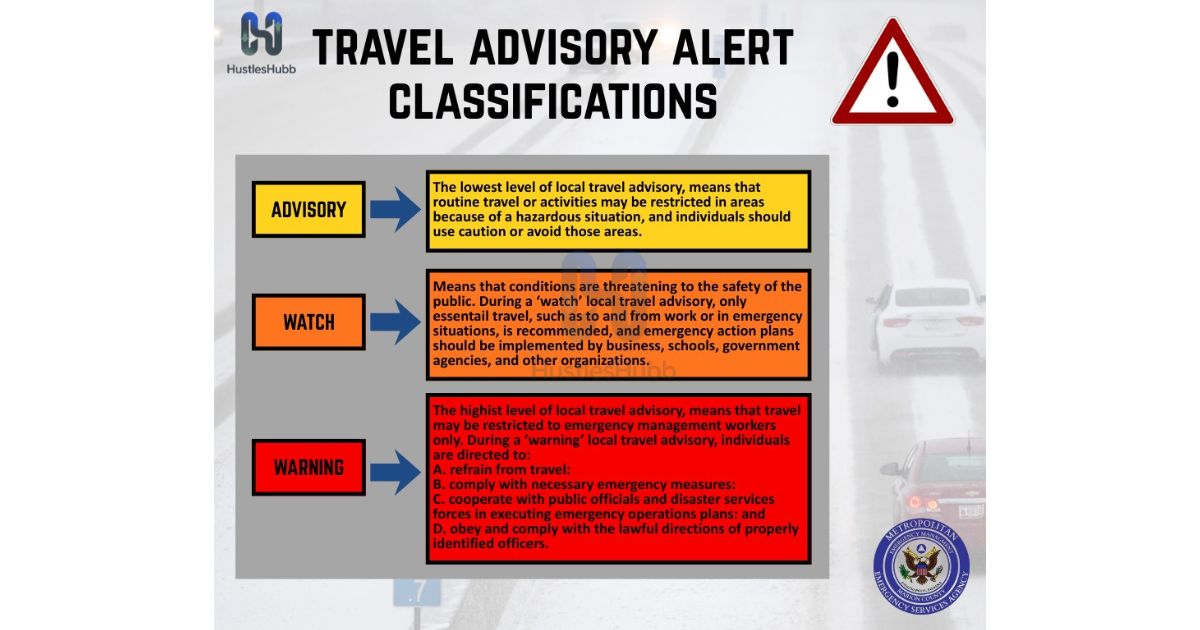
Travel disruption often begins before snowfall peaks. Ice forms faster than plows can respond, creating severe travel hazards due to ice. Even treated roads can refreeze quickly during extended cold weather.
Schools and employers watch forecasts closely. Districts near higher elevations or the NC/VA line may close earlier due to greater icing risk. Remote options reduce accidents and protect workers during periods of extreme wind chill temperatures.
Safety Tips to Follow During a Winter Storm Watch
Safety starts before the storm arrives. Every household should have an emergency preparedness plan ready. Devices should be charged, and backup batteries and lanterns should be kept in an easy-to-find place. Planning ahead reduces stress if the power fails.
Ice damage escalates quickly. When ice thickens, tree limbs snapping becomes common, leading to ice storm damage and blocked roads. Staying indoors during peak icing protects you from falling debris and unseen hazards.
How to Stay Updated During This Winter Storm Watch
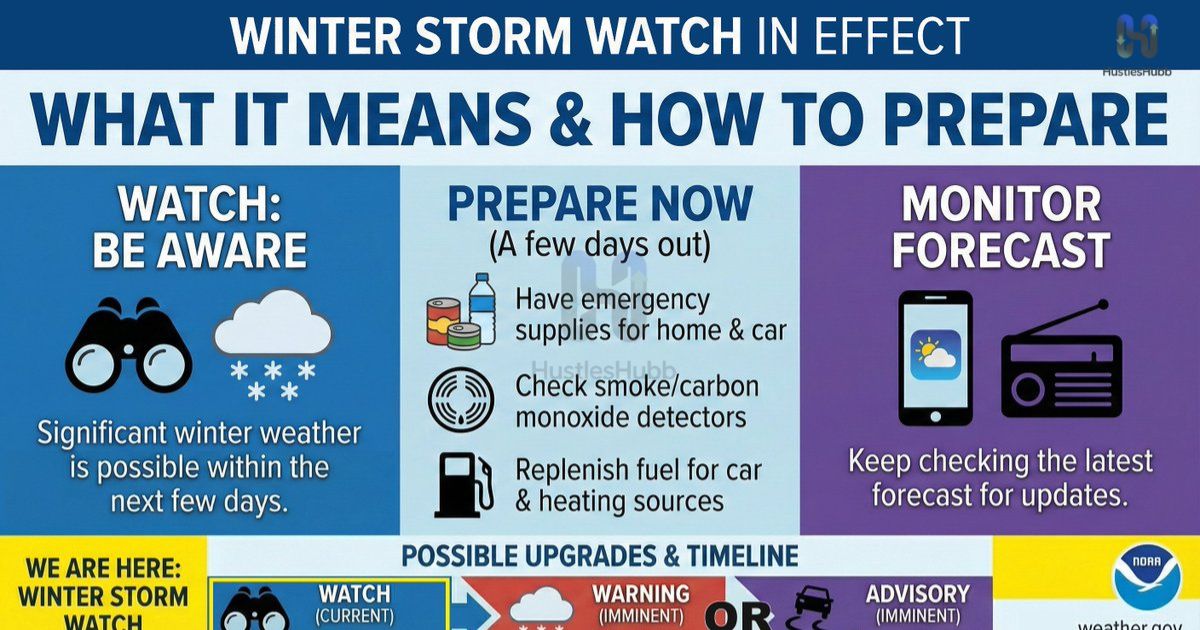
Local forecasts matter most because winter weather varies by neighborhood. County-level alerts explain risks tied to terrain and exposure. National headlines cannot replace real-time local guidance.
After the storm, danger lingers. Expect lingering winter impacts, an extended thawing process, and frequent refreezing overnight. With wind chill below zero possible and extremely cold temperatures, icy surfaces can persist for days.
FAQs
What is the winter weather like in South Carolina?
Winter in South Carolina is mild compared to the north, with occasional snow or ice and below-freezing temperatures in inland areas.
What does the Bible say about winter storms?
The Bible mentions storms as part of God’s power and nature, symbolizing trials or testing, but also reminds believers of protection and faith.
What time will the snow start in RI?
Snow start times vary by storm; local forecasts usually provide an hourly timeline, often starting in the morning or late evening, depending on the system.
What was the worst winter storm in US history?
The Great Blizzard of 1888 is considered the worst, with massive snow, strong winds, and severe impacts on travel and infrastructure in the Northeast.
Has there ever been 20 feet of snow?
Yes, Mount Baker, Washington,n holds a record with over 20 feet of snowfall in a single season, making it one of the snowiest places in the U.S.
Read Also: Masters of the Universe 2026 Trailer Breakdown

Welcome to Hustles Hubb! I’m Shafqat Amjad, an AI-Powered SEO and Content writer with 4 years of experience.
I help websites rank higher, grow traffic, and look amazing. My goal is to make SEO and web design simple and effective for everyone.
Let’s achieve more together!