
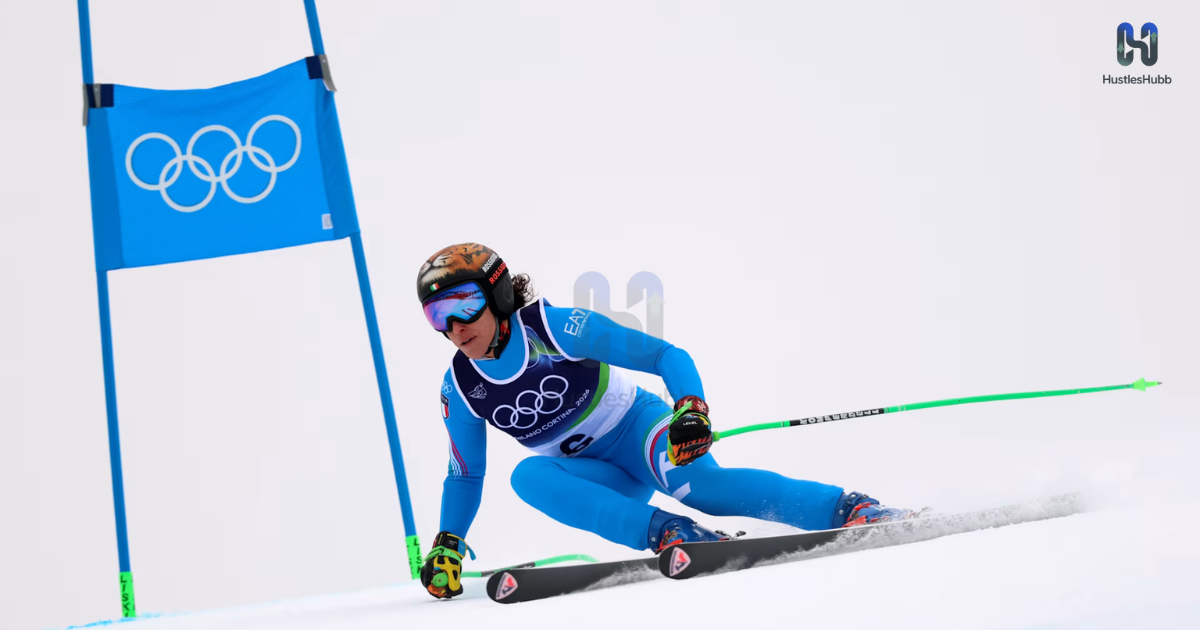
2026 Winter Olympics Alpine Skiing: Brazil’s shocking gold, complete results, schedule & 10 thrilling moments that made history!
The 2026 winter olympics alpine skiing competitions at Milano Cortina delivered jaw-dropping moments that nobody anticipated. Lucas Pinheiro Braathen stunned the world by capturing Brazil‘s first-ever winter medal in a Giant Slalom performance that rewrote history books. Traditional powerhouses stumbled while underdogs seized golden opportunities on treacherous slopes.
Every race featured razor-thin margins where hundredths of seconds separated glory from heartbreak. The technical events showcased unprecedented competitive depth as athletes from non-traditional nations challenged established champions. With medal count projections shattered and dramatic upsets dominating headlines, these Games proved that modern alpine skiing belongs to the brave and prepared. This comprehensive guide reveals ten thrilling moments that transformed winter sports forever and captivated global audiences.
2026 Winter Olympics Alpine Skiing – Historic Breakthrough and Game-Changing Results
The 2026 Winter Olympics alpine skiing landscape shifted dramatically as Milano Cortina reached its critical juncture. Traditional powerhouses from Scandinavian nations and Alpine countries discovered that dominance isn’t guaranteed anymore. The depth of the field expanded exponentially with athletes from non-traditional regions competing at levels previously unimaginable. This wasn’t gradual evolution but rather a seismic shift that delivered unexpected podium results across multiple disciplines.
The Midpoint That Changed Everything
Milano Cortina 2026 delivered its most dramatic revelations precisely at the halfway mark when 28 medals had been awarded. Alpine skiing purists watched in disbelief as underdogs upset the podium order repeatedly. Course conditions on Stelvio created unpredictability that favored technically brilliant skiers over reputation alone. The midpoint of the Games became an inflection point where old narratives died.
Breaking Down the Traditional Barriers
Norway continued extending its dominance with its tenth gold, but couldn’t prevent other nations from challenging its supremacy. The barriers separating elite from aspiring nations crumbled as training programs worldwide improved dramatically. Technical events particularly demonstrated that Olympic gold now requires perfection because the competition intensified beyond previous generations’ experience. Athletes from South America, Asia, and other regions proved they belong on sport’s biggest stage.
Lucas Pinheiro Braathen’s Stunning Gold: How the 2026 Winter Olympics Alpine Skiing Made History

Lucas Pinheiro Braathen authored perhaps the single most remarkable story in the 2026 Winter Olympics alpine skiing history. Racing for Brazil, he shattered 98 years of Winter Olympics futility for an entire continent. His Giant Slalom victory wasn’t a fluky accident but a masterclass in technical skiing that turned heads globally. The Norwegian-born athlete who switched allegiances to his mother’s homeland delivered when pressure peaked, and expectations soared beyond imagination.
His performance represented outsized national significance for Brazil and all of South America. This wasn’t merely individual achievement but a landmark moment that validates decades of investment in winter sport programmes across Latin America. Braathen demonstrated that geography doesn’t determine destiny in alpine skiing anymore. His gold medal carries weight far exceeding its metallic composition because it inspires future generations across continents previously excluded from Winter Olympics glory.
The Run That Stunned the World
Braathen‘s winning performance combined technical precision with aggressive line choices that challenged every assumption about conservative racing strategies. His split times demolished expectations as he navigated the Stelvio course with confidence bordering on audacity. Commentators struggled to find words adequate to describe what unfolded. Rivals acknowledged his brilliance even while processing their own disappointment at finishing behind an athlete representing a nation with virtually no alpine skiing infrastructure.
South America’s First Winter Olympics Alpine Moment
Brazil celebrated its historic breakthrough with nationwide euphoria typically reserved for football victories. South America finally cracked the Winter Olympics code that seemed permanently locked against them. Braathen‘s journey from Norway to Brazil symbolizes modern alpine skiing‘s increasingly globalized nature. His success immediately sparked conversations about increased funding for winter sport programmes across Latin America as nations recognized that Olympic gold isn’t an exclusive privilege of countries with year-round mountain access.
Giant Slalom Glory: Brazil’s First-Ever 2026 Winter Olympics Alpine Skiing Medal
The Men’s Giant Slalom at Milano Cortina 2026 will be remembered as the race that redefined what’s possible in winter sports. Lucas Pinheiro Braathen didn’t just win but dominated both runs with performances that forced rivals to raise their level considerably. The course conditions demanded absolute commitment and technical mastery. Athletes who hesitated or played conservative lines lost critical hundredths that separated podium positions from also-ran status in final results.
Braathen‘s medal carries historic weight because it represents national firsts that transcend sport itself. Brazil now has a template proving that investment in athletes passionate about alpine skiing generates tangible results. The Giant Slalom victory sparked immediate discussions about hosting World Cup events in South America and building infrastructure to support developing talent pipelines. What seemed impossible yesterday becomes achievable tomorrow when barriers fall dramatically.
The Giant Slalom That Rewrote History Books
Stelvio‘s demanding terrain tested every skier’s technical limits under Olympic pressure that magnifies every tiny mistake. Braathen attacked the course with controlled aggression that distinguished champions from merely excellent competitors. His start order position proved advantageous as snow conditions deteriorated for later racers. The split times from his two runs revealed consistency that defending competitors couldn’t match despite their superior World Cup form throughout the season.
What This Medal Means for Latin America
Brazil‘s Olympic gold in alpine skiing sends shockwaves through sporting communities across entire continents. Young athletes in countries previously focused exclusively on summer sports now see viable paths toward Winter Olympics glory. The landmark moment validates decades of grassroots efforts by coaches and administrators who believed South America deserved representation at winter’s grandest stage. Investment in training facilities and coaching education will accelerate as nations recognize opportunities previously dismissed as unrealistic fantasies.
2026 Winter Olympics Alpine Skiing Day 8 Recap: Results That Changed Everything
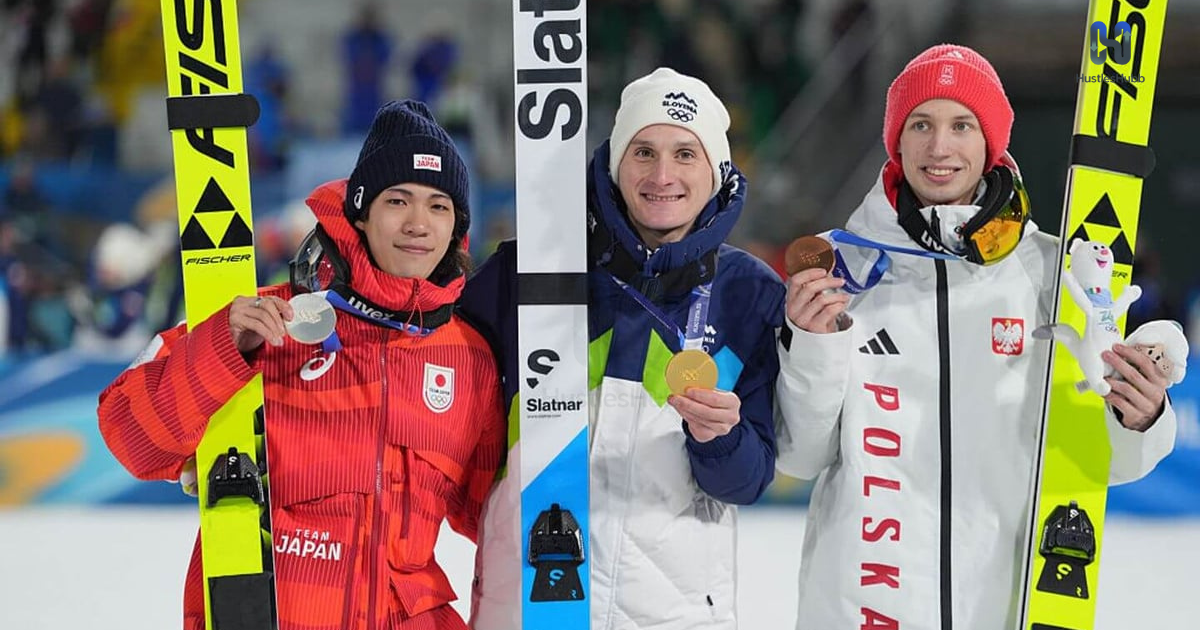
Day 8 of Milano Cortina 2026 exploded with drama that reshuffled expectations across multiple disciplines. The alpine skiing events delivered career-defining moments while simultaneously destroying carefully constructed predictions about podium standings. Athletes who entered as favorites stumbled while underdogs seized opportunities with both hands. The competition schedule packed so much action that fans struggled to process everything unfolding simultaneously across venues.
Complete Day 8 Alpine Skiing Breakdown
The technical events showcased why the 2026 Winter Olympics alpine skiing defies easy prediction. Course strategy debates raged as coaches analyzed whether aggressive or conservative approaches suited the deteriorating snow conditions better. Athletes who mastered adaptation thrived while those clinging to rigid plans struggled mightily. The results delivered across men’s and women’s events suggested that remaining competitions will be equally unpredictable and thrilling for spectators worldwide.
Other Sports That Made Headlines on Day 8
Speed skating stole headlines with controversial decisions that upset expected medal distributions dramatically. Ice hockey matches featured overtime drama that showcased the sport’s capacity for instant momentum shifts. Cross-country and freestyle events added their own storylines to an already overflowing news cycle. The ski jumping large hill qualifications set the stage for the upcoming finals that promise additional headline-making performances. Day 8 proved that Milano Cortina 2026 exceeds even optimistic expectations.
Medal Count and Standings: 2026 Winter Olympics Alpine Skiing Dominance Revealed
The medal tally at the midway point reveals fascinating patterns about which nations dominate the 2026 Winter Olympics alpine skiing competitions. Norway sits atop the overall standings with impressive multi-disciplinary strength that extends far beyond a single sport. Their tenth gold medal demonstrates systematic excellence across ski and snowboard events that other nations struggle to match. However, surprise results from non-traditional competitors suggest that podium monopolies are cracking under pressure from motivated challengers.
Current Medal Tally and National Rankings
Norway leads all nations, but the USA, Switzerland, and Austria remain within striking distance as competition intensifies. Brazil’s unexpected medal elevated its profile dramatically while proving that geography doesn’t predetermine Winter Olympics success anymore. The podium distribution across multiple nations suggests a healthier competitive environment than historical dominance by a handful of countries. This democratization benefits the sport by attracting broader global interest and investment.
Halfway Point Analysis: 28 Down, 29 To Go
With 28 medals decided and 29 medals remaining in ski and snowboard events, projections become increasingly complex. National momentum factors heavily as athletes gain confidence from teammates’ successes. The second half promises additional drama as pressure intensifies and athletes realize Olympic dreams slip away without perfect execution. Course conditions will continue influencing outcomes unpredictably as snow deteriorates and weather patterns shift during the remaining competition days.
Mikaela Shiffrin and Top Athletes: 2026 Winter Olympics Alpine Skiing Stars to Watch
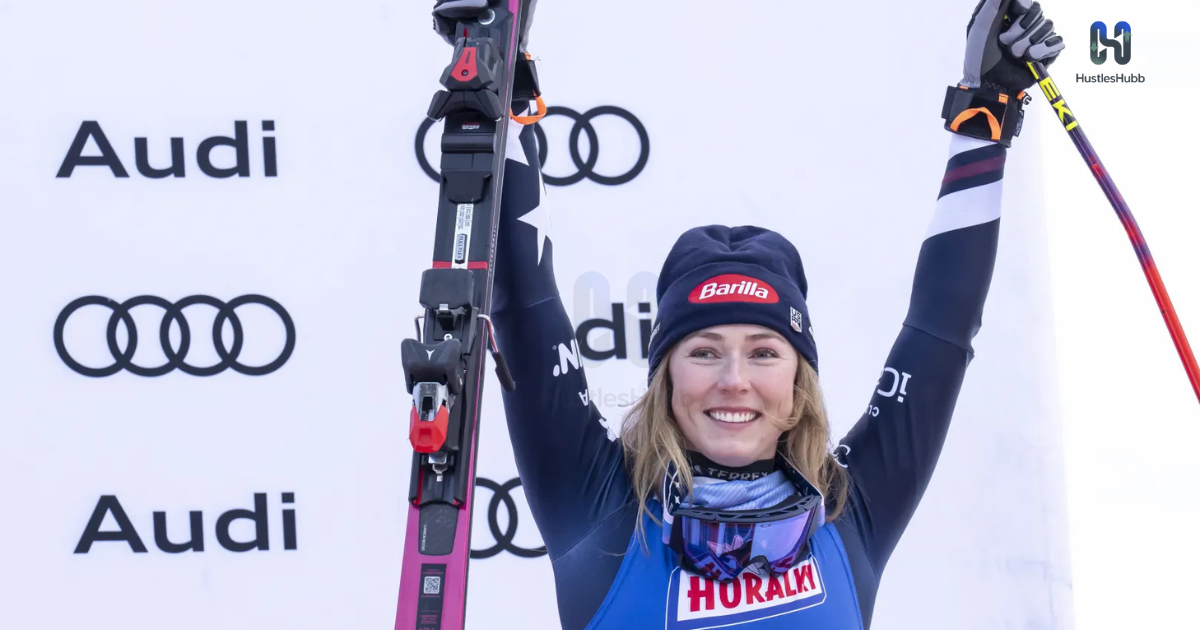
Mikaela Shiffrin remains a central figure in the 2026 Winter Olympics alpine skiing despite battling back from a significant injury that threatened her Olympic participation. The American star’s comeback story captivates because it demonstrates resilience that separates decorated names from merely talented competitors. Her World Cup form heading into Milano Cortina 2026 showed vulnerability that emboldened rivals who sensed an opportunity to claim Olympic gold while she’s less than 100% physically.
Shiffrin’s Comeback Story and Gold Hunt
Shiffrin‘s journey back from injury adds an emotional dimension to technical events as fans worldwide pull for her redemption arc. She’s converting rehabilitation into Olympic readiness despite abbreviated preparation compared to fully healthy competitors. Her presence forces rivals to raise their level because nobody wants footnote status as an athlete who won only because Shiffrin wasn’t fully fit. The women’s events gain intensity from her participation regardless of final results.
Other Athletes Stealing the Spotlight
Odermatt‘s defending champion status carries psychological weight as he attempts to reinforce Swiss dominance in Men’s Giant Slalom. Kristoffersen and Meillard represent serious threats with their own tactical brilliance and technical mastery. Rising stars from non-traditional nations continue challenging the established order with performances that suggest podium access isn’t restricted to familiar names anymore. The depth of the field ensures that tight,t contested races will characterize the remaining competition days at Milano Cortina 2026.
Race Dynamics and Margins: What Made the 2026 Winter Olympics Alpine Skiing So Competitive
The 2026 Winter Olympics alpine skiing competitions distinguish themselves through incredibly tight margins separating medal positions. Races are decided by hundredths of a second rather than comfortable gaps that might provide psychological breathing room. This compression of talent means that perfect execution becomes an absolute requirement rather than merely a desirable goal. Athletes who commit even microscopic errors find themselves outside podium positions despite skiing brilliantly by historical standards.
The Hundredths of Seconds That Decide Gold
Every hundredth of a second carries enormous weight when split times show gaps so minuscule that spectators can barely comprehend their significance. Technical events particularly demonstrate how tiny advantages compound across the full course length. A slightly better turn exit velocity multiplies through subsequent gates until finishing time reflects the accumulation of microscopic advantages. Athletes obsess over equipment choices and course strategy details that casual fans might dismiss as inconsequential minutiae.
Tactical Innovations and Strategic Gambits
Coaching staff employ sophisticated analysis of course conditions, start order implications, and risk-reward calculations that inform strategic approaches. Some athletes gamble on aggressive lines that generate speed but risk catastrophic errors. Others pursue consistency strategies, accepting smaller margins but higher completion probabilities. The tactical chess match between competing approaches addsan intellectual dimension to a purely physical contest. Fine-tuning equipment and technique based on real-time snow conditions separates champions from also-rans at the Olympic level.
Complete Schedule and Upcoming Events: Your 2026 Winter Olympics Alpine Skiing Guide
The remaining 2026 Winter Olympics alpine skiing schedule promises additional drama as technical events, speed disciplines, and combined competitions unfold over the coming days. The Slalom events particularly intrigue because they test pure technical skill without speed discipline’s straightforward power dynamics. Athletes must navigate tight gate combinations demanding precision and rhythm that separate masters from merely excellent technicians. The women’s events and men’s competitions both feature stacked fields where predictions become dangerous business.
Remaining Alpine Events Day-by-Day
The schedule highlights include multiple Slalom races that will crown Olympic champions in a discipline requiring absolute technical mastery. Downhill events promise spectacular speeds and dramatic crashes that epitomize speed skiing’s inherent dangers. The combined format favors versatile athletes capable of competing at elite levels across contrasting disciplines. Team events conclude alpine skiing competition with a format that generates nationalistic passion and strategic lineup decisions.
Key Viewing Times for USA Audiences
Milano Cortina‘s location in Italy creates timezone challenges for American viewers, but also opportunities. Convertingthe CET timezone to the ET timezone reveals that many events occur during manageable viewing windows for East Coast audiences. Early morning hours feature cross-country and some alpine events, while afternoon sessions showcase prime ski jumping and speed events. West Coast viewers face tougher scheduling, but streaming options provide flexibility for watching competitions at convenient times.
How to Watch 2026 Winter Olympics Alpine Skiing: Coverage, Streaming, and Highlights
Accessing comprehensive 2026 Winter Olympics alpine skiing coverage requires understanding available broadcasting options and streaming platforms. NBC provides primary television coverage for American audiences with extensive live event programming supplemented by primetime highlight packages. Their commentary teams blend former Olympic athletes with professional broadcasters, creating an informative viewing experience that educates casual fans while satisfying hardcore enthusiasts’ appetite for technical analysis.
TV Networks and Streaming Platforms
NBC‘s coverage strategy emphasizes American athletes but provides a sufficient international perspective for viewers seeking a comprehensive understanding. Peacock subscribers enjoy on-demand replays that accommodate work schedules and timezone differences. The streaming platform’s interface allows filtering by sport and event type so alpine skiing enthusiasts avoid wading through unrelated content. Social media integration provides real-time updates and behind-the-scenes access that traditional broadcasting can’t match due to format constraints.
Getting the Most from Your Viewing Experience
Understanding split times, graphics, and technical terminology enhances viewing satisfaction dramatically. Casual fans benefit from learning basic concepts like start order significance and how course conditions evolve throughout competition. Following multiple events simultaneously requires organizational strategies and perhaps multiple screens. Social media platforms provide supplementary content, including athlete perspectives and expert analysis, that enriches the main broadcast coverage significantly.
The Lasting Impact of the 2026 Winter Olympics Alpine Skiing on Global Competition
The 2026 Winter Olympics alpine skiing competitions will influence the sport’s trajectory for years as national firsts and surprise results demonstrate the sport’s genuine globalization. Brazil’s historic breakthrough validates investment strategies by nations previously dismissed as Winter Olympics longshots. Sporting federations worldwide will scrutinize what worked for successful programs and attempt to replicate those approaches within their own contexts. The game-changing results prove that geography and tradition don’t predetermine success anymore in an increasingly democratized competitive landscape.
How These Games Changed Winter Sports Forever
Traditional powerhouses can no longer assume automatic podium positions based purely on historical dominance and geographical advantages. The competitive balance shift means that every nation with serious athletes possesses realistic medal aspirations in multiple disciplines. Inspiring the next generation becomes crucial as young athletes worldwide recognize that Winter Olympics glory isn’tthe exclusive province of a handful of traditionally dominant countries. Investment in coaching education and training infrastructure will accelerate globally as success stories multiply.
Looking Ahead to 2030 and Beyond
Future Winter Olympics host cities will likely emphasize accessibility and global participation over pure tradition and heritage. The sport’s evolution toward genuine internationalization demands facilities and programs that support developing nations’ athletes. Climate considerations also influence long-term planning as reliable snow conditions become increasingly uncertain in traditional venues. Technology innovations in equipment and training methodologies will continue evolving how athletes prepare and compete at sport’s highest levels during subsequent Olympic cycles.
FAQs
Where is the skiing in the Winter Olympics 2026?
The 2026 Winter Olympics alpine skiing events are held at Milano Cortina in Italy, with major races taking place on the challenging Stelvio course and surrounding venues in the Italian Alps.
Where is the downhill in the Winter Olympics 2026?
The downhill races at Milano Cortina 2026 are contested on the legendary Stelvio course in Bormio, Italy, known for its steep gradients and demanding technical sections.
What countries are banned from the 2026 Winter Olympics?
Russia and Belarus athletes compete as neutrals under strict conditions due to geopolitical conflicts, though specific participation rules vary and are determined by the International Olympic Committee.
Has Kajsa Vickhoff Lie won any medals?
Norwegian alpine skier Kajsa Vickhoff Lie competes at the elite World Cup level, though specific 2026 Winter Olympics medal results would depend on her performances in upcoming events.
Who is considered the greatest skier of all time?
Mikaela Shiffrin is widely considered among the greatest with record World Cup victories, though legends like Ingemar Stenmark, Lindsey Vonn, and Marcel Hirscher also claim GOAT status.
Read Also: Itzhak Ezratti Wife: 10 Powerful Insights Into the Remarkable Woman

Welcome to Hustles Hubb! I’m Shafqat Amjad, an AI-Powered SEO and Content writer with 4 years of experience.
I help websites rank higher, grow traffic, and look amazing. My goal is to make SEO and web design simple and effective for everyone.
Let’s achieve more together!